


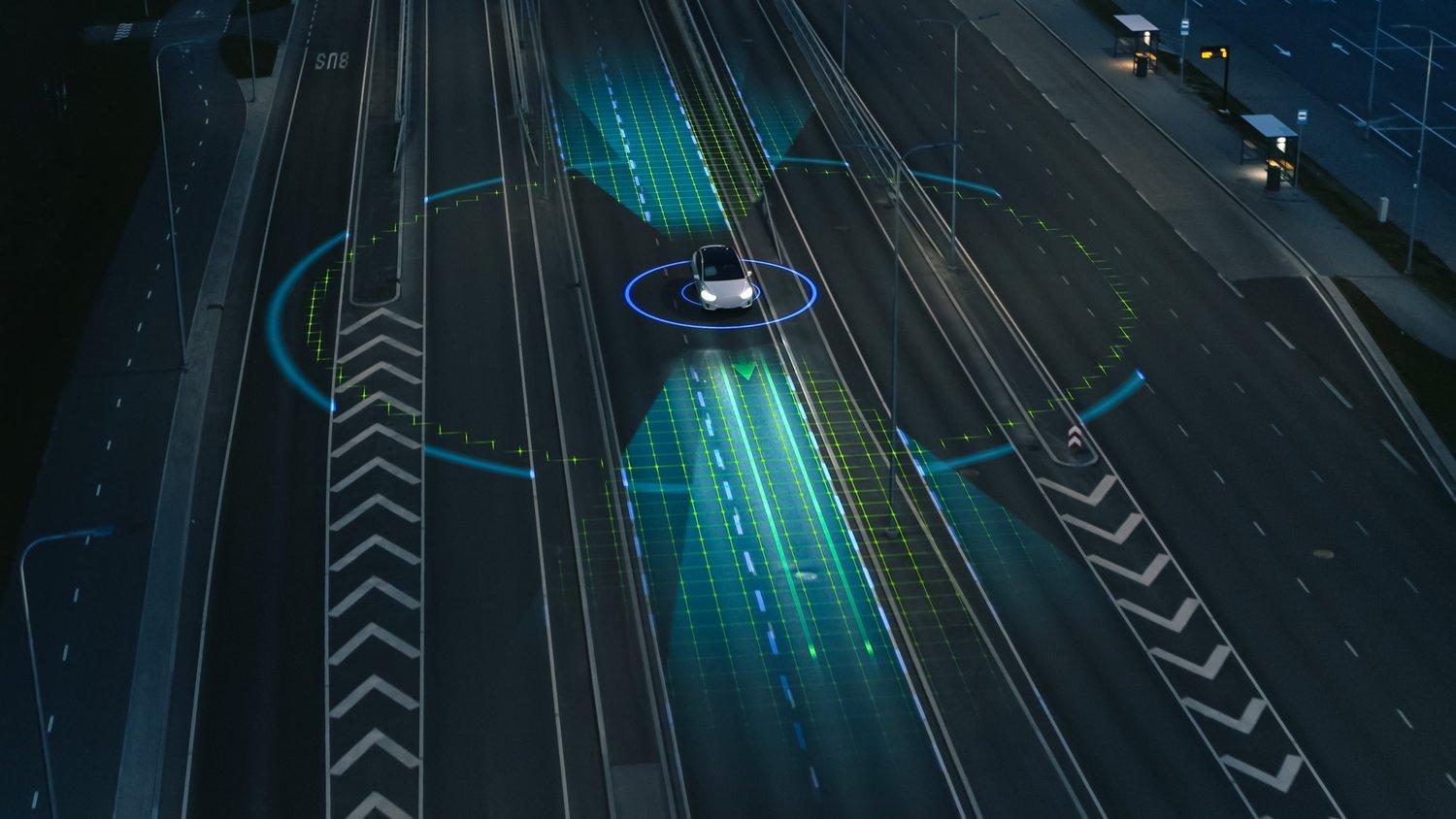
When a vehicle experiences even a minor collision, the safety of its occupants depends on more than just physical repairs. Today’s cars are equipped with intricate Advanced Driver Assistance Systems (ADAS) that require expert attention to ensure proper functionality. A qualified collision ADAS calibration technician plays an essential role in restoring these systems accurately. Without precise calibration, features like automatic braking, adaptive cruise control, and lane departure warnings may fail, putting both the driver and others at risk.
ADAS systems rely on cameras, radar, ultrasonic sensors, and other inputs to monitor the vehicle’s surroundings. These systems constantly gather and process data to assist drivers in making safer decisions. However, during a collision, even minor misalignments or part replacements can throw off the calibration of these sensitive systems. It’s not just the visible damage that needs to be addressed—it’s the unseen internal systems that require expert recalibration by a trained technician.
The Critical Function of ADAS in Modern Vehicles
Advanced Driver Assistance Systems are no longer exclusive to luxury vehicles—they are now common in most cars on the road. These systems are designed to enhance driver safety by reducing the likelihood of accidents. From detecting obstacles and pedestrians to alerting drivers of blind spots, ADAS features have become an integral part of vehicle design.
After a collision, these sensors and components often require recalibration. A replaced windshield, realigned bumper, or even a shifted suspension system can affect the accuracy of ADAS. Without professional recalibration, drivers may receive incorrect alerts or experience delayed system responses—scenarios that can lead to dangerous outcomes.
What a Certified Collision ADAS Calibration Technician Does
A collision ADAS calibration technician specializes in diagnosing and realigning ADAS sensors and cameras to ensure they meet original equipment manufacturer (OEM) standards. Their job goes beyond mechanical repairs. Using state-of-the-art diagnostic tools, technicians identify which systems need calibration based on the vehicle’s damage and repair scope.
Technicians follow rigorous procedures for both static and dynamic calibrations. Static calibrations require precise alignment in a controlled environment, often using laser measurements and OEM targets. Dynamic calibrations involve driving the vehicle under specific conditions to allow systems to recalibrate in real time. The process is highly technical and requires up-to-date software, equipment, and training.
Why Professional Calibration Is Non-Negotiable
Failing to properly calibrate ADAS after a collision can result in critical safety failures. For example, an improperly aligned front camera could misread road signs or lane markings, leading to inaccurate steering assistance or missed warnings. Radar sensors that are out of sync could cause adaptive cruise control to misjudge distances or fail to apply the brakes in time.
Besides safety implications, improper calibration can impact a vehicle’s resale value, insurance coverage, and warranty compliance. Insurance companies increasingly demand proof of ADAS calibration as part of post-accident repair documentation. Without it, claim approvals may be delayed or denied.
How Diagnostic Centers Ensure Accuracy
Modern diagnostic centers provide the controlled environment and advanced tools necessary to perform ADAS calibrations with high precision. These centers are designed to eliminate interference that can compromise the accuracy of sensor readings. They also maintain the latest OEM calibration protocols and diagnostic software, allowing technicians to recalibrate systems across a wide range of makes and models.
The process typically begins with a pre-calibration diagnostic scan, which identifies all system errors and sensor issues. After repairs and recalibration, a post-calibration scan is conducted to confirm that all systems function correctly. Detailed reports are generated to document compliance with OEM and insurance requirements.
The Importance of OEM Standards
Vehicle manufacturers specify exact procedures and alignment parameters for ADAS calibration. Certified technicians follow these guidelines to the letter, using approved tools and measurement systems. Deviating from OEM procedures can result in incomplete or incorrect calibration, increasing liability risks for both repair shops and vehicle owners.
OEM standards also evolve as new vehicle technologies are introduced. Technicians must stay up-to-date with training and certifications to ensure they are using the correct methods for each vehicle type. This commitment to ongoing education and accuracy distinguishes reputable calibration centers from generic repair shops.
Choosing the Right Calibration Partner
When selecting a technician or diagnostic center for post-collision ADAS calibration, experience and credibility matter. Look for facilities that specialize in ADAS services, not just general auto repairs. Certified technicians with hands-on experience in multiple vehicle systems will have the knowledge and tools necessary to complete accurate calibrations.
It’s also important to ask about the diagnostic equipment used, whether the shop performs both static and dynamic calibrations, and if they offer documentation for insurance purposes. Transparency, professionalism, and OEM alignment are key indicators of a trustworthy partner.
Industry Outlook and Increasing Demand
As more vehicles integrate advanced driver assistance technologies, the demand for skilled ADAS calibration technicians is on the rise. According to industry projections, calibration services will become a standard component of collision repair within the next few years. Vehicles with partial automation and driver support systems require even more attention, especially as they transition toward full autonomy.
Collision repair centers must adapt by partnering with diagnostic specialists and investing in training, equipment, and certification. At the same time, consumers must understand the importance of calibration and insist on it after any significant repair or part replacement.
Final Thoughts
In today’s technology-driven automotive world, ensuring the safe and accurate function of ADAS features after a collision is not optional—it is essential. A certified collision ADAS calibration technician provides the expertise needed to align and restore your vehicle’s safety systems to factory specifications. This service ensures that the car performs as designed, offering the full protection intended by the manufacturer.
For dependable and professional ADAS calibration services, vehicle owners can rely on Abel Diagnostic Centers. Their experienced technicians, cutting-edge equipment, and commitment to excellence make them a trusted name in post-collision diagnostics and calibration across the USA.

 Arabic
 French
 Spanish
 Portuguese
 Deutsch
 Turkish
 Dutch
Dutch
 Italiano
 Russian
 Romaian
 Portuguese (Brazil)
 Greek
Greek