


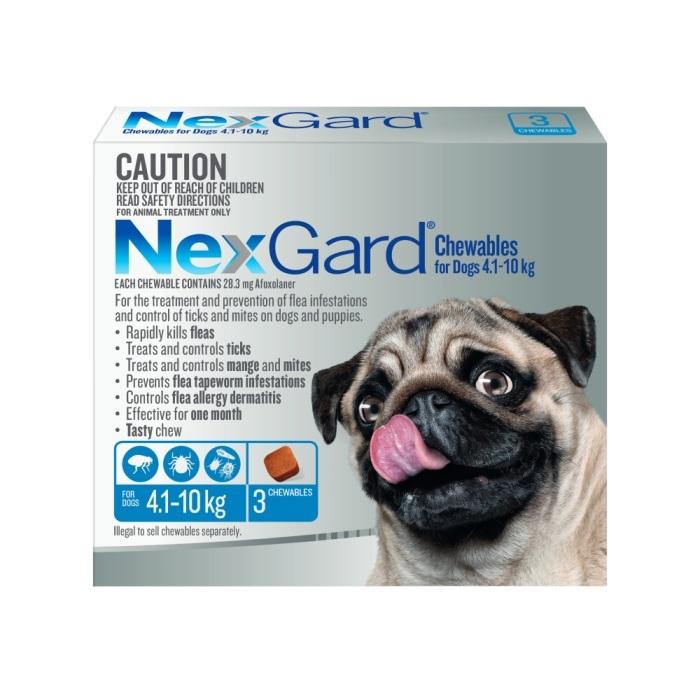
In the United States, managing parasites such as fleas and ticks is a year-round concern for dog owners. These pests can cause a range of health problems, from skin irritation and allergic reactions to more serious conditions like Lyme disease or ehrlichiosis. In response to these threats, oral flea and tick treatments have become a widely used solution. Among the most commonly discussed options in veterinary medicine is Nexgard, a chewable tablet designed to kill fleas and ticks.
This blog explores the role of Nexgard in parasite prevention, how it works, potential side effects, regulatory considerations in the U.S., and what pet owners should consider before using it. The aim is to provide an objective, informational overview of this product without promoting any specific brand or company.
What Is Nexgard?
Nexgard is an FDA-approved oral medication used to treat and prevent flea and tick infestations in dogs. It is available by prescription and comes in the form of a chewable tablet, typically administered monthly. The treatment is primarily known for its active ingredient, afoxolaner, which belongs to a class of drugs known as isoxazolines.
The medication is used widely across the U.S. for its convenience and effectiveness. Unlike topical treatments that can be messy or washed off during bathing, Nexgard is taken orally and works systemically—meaning it circulates in the dog's bloodstream and targets parasites that bite the animal.
How Does Nexgard Work?
The active ingredient, afoxolaner, works by targeting the nervous systems of parasites. When a flea or tick bites a treated dog, it ingests the blood containing the insecticide. Afoxolaner interferes with the parasites’ nerve cell function by blocking specific neurotransmitter receptors (GABA-gated and glutamate-gated chloride channels), causing paralysis and death.
One of the primary advantages of this mechanism is that it starts killing fleas within hours of administration and can eliminate existing infestations relatively quickly. Ticks, which can transmit diseases such as Lyme and Rocky Mountain spotted fever, are usually killed within 48 hours of exposure to the drug.
Spectrum of Parasite Protection
Nexgard is primarily effective against the following parasites:
-
Fleas (Ctenocephalides felis): Begins killing fleas within 4 hours.
-
American dog ticks (Dermacentor variabilis)
-
Black-legged ticks (Ixodes scapularis)
-
Lone star ticks (Amblyomma americanum)
-
Brown dog ticks (Rhipicephalus sanguineus)
These species are prevalent in many parts of the United States, making the treatment relevant across various climates and regions. However, it is not labeled for use against internal parasites such as heartworms, so additional preventive medications may be required.
Age and Weight Requirements
In the U.S., Nexgard is approved for use in dogs that are:
-
At least 8 weeks of age
-
Weigh at least 4 pounds
Pet owners must weigh their dogs accurately and administer the correct dosage based on weight categories provided in the packaging. Underdosing can lead to reduced effectiveness, while overdosing may increase the risk of adverse effects.
Potential Side Effects
While many dogs tolerate Nexgard well, some may experience side effects. Commonly reported reactions include:
-
Vomiting
-
Diarrhea
-
Lethargy
-
Loss of appetite
-
Dry or itchy skin
In more serious cases, neurological reactions such as tremors, ataxia (loss of coordination), and seizures have been reported. These are rare but have raised concerns, particularly among pet owners of dogs with pre-existing seizure conditions.
The U.S. Food and Drug Administration (FDA) has acknowledged these reports and advises veterinarians to use discretion when prescribing Nexgard, especially for dogs with a known history of seizures or other neurological disorders.
FDA Regulation and Safety Oversight
Nexgard is approved by the Center for Veterinary Medicine (CVM) under the FDA, which is responsible for ensuring the safety and effectiveness of animal drugs in the United States. Approval means that the product has gone through controlled studies to determine its efficacy, dosing, and side effect profile.
In 2018, the FDA issued an advisory regarding all isoxazoline-class drugs, including Nexgard, stating that they may be associated with neurological adverse events. While still considered safe for the majority of dogs, the FDA recommends that veterinarians carefully consider a dog's medical history before prescribing these medications.
This advisory does not ban the product but aims to ensure informed use by both professionals and pet owners.
Regional Use and Considerations in the U.S.
The need for flea and tick prevention varies by geographic location in the U.S. For example:
-
Northeast and Midwest: High risk of Lyme disease transmitted by deer ticks.
-
Southeast and Gulf Coast: Extended flea and tick seasons due to warm, humid climates.
-
Western states: Exposure to various tick species depending on rural or forested environments.
Veterinarians often recommend year-round protection, especially in regions with mild winters where parasites remain active. In areas with high tick populations, combination treatments or additional repellents may be advised.
Comparisons with Other Flea and Tick Treatments
Nexgard is one of several isoxazoline-based treatments available in the U.S., alongside other oral and topical solutions. Each option varies in terms of administration method, duration, and targeted parasites. Oral treatments like Nexgard are often preferred for their ease of use and reduced messiness compared to topical formulas.
However, unlike some topical treatments, Nexgard does not repel fleas or ticks—it kills them after they bite. This means that while infestations can be controlled, the product may not fully prevent bites, which is a consideration for dogs with flea allergy dermatitis or in tick-heavy regions.
Use in Combination with Other Medications
Since Nexgard targets external parasites only, it is often used in conjunction with other medications to provide broader protection. For example:
-
Heartworm prevention (such as monthly ivermectin-based treatments)
-
Dewormers for internal parasites like hookworms or roundworms
Veterinarians usually tailor a parasite control plan based on a dog’s health status, lifestyle, and geographic risk factors.
Legal Requirements for Purchase
In the U.S., Nexgard is classified as a prescription-only medication, meaning it must be obtained through a licensed veterinarian or an approved pharmacy with a valid prescription. This requirement ensures that a professional assesses whether the product is appropriate for the dog in question.
Online pet pharmacies that sell the product without requiring a prescription may be in violation of FDA regulations, and such sources should be approached with caution.
Environmental Impact and Disposal
Although oral treatments like Nexgard do not directly wash into waterways as topical treatments might, proper disposal is still important. Unused or expired tablets should not be flushed down the toilet or thrown into household waste. Many veterinary clinics or local pharmacies in the U.S. offer safe disposal programs for unused medications.
Final Considerations for U.S. Dog Owners
For many pet owners across the United States, Nexgard offers a practical solution for managing fleas and ticks. It is particularly suited for dogs who dislike topical treatments or live in multi-pet households where licking or contact could be an issue. However, the decision to use Nexgard—or any oral flea and tick treatment—should be based on:
-
The dog’s overall health and medical history
-
Regional parasite risks
-
Veterinarian recommendations
-
Awareness of potential side effects
Because Nexgard is part of a broader strategy for parasite prevention, its use should be evaluated in the context of a dog’s entire preventive care regimen.
Conclusion
Nexgard represents one of the most widely used oral flea and tick treatments in the United States. Its ease of use and fast-acting formula make it a common choice for many pet owners. However, like all medications, it carries risks and should be used under veterinary guidance.
Understanding how the treatment works, its limitations, and its regulatory status helps U.S. dog owners make informed decisions about their pets' health. With ongoing awareness and responsible use, flea and tick control can be effectively managed to protect the well-being of dogs in all regions of the country.

 Arabic
 French
 Spanish
 Portuguese
 Deutsch
 Turkish
 Dutch
Dutch
 Italiano
 Russian
 Romaian
 Portuguese (Brazil)
 Greek
Greek