


Have you ever thought about printing a design on a t-shirt but felt unsure about which method to choose? There are so many options like screen printing, embroidery, sublimation, and digital heat transfer printing. It is very confusing when all of them sound good in different ways. Right?
But the truth is, not every method works for every design or fabric. Some are better for large orders, while others are perfect for small runs. Some give bold, simple prints, while others can handle colourful and detailed designs. One method that has become very popular is digital heat transfer printing. But how is it different from the others, and why do so many people choose it?
In this post, we will compare heat transfer printing with other popular methods. Let’s get started.
What Is Digital Heat Transfer Printing?
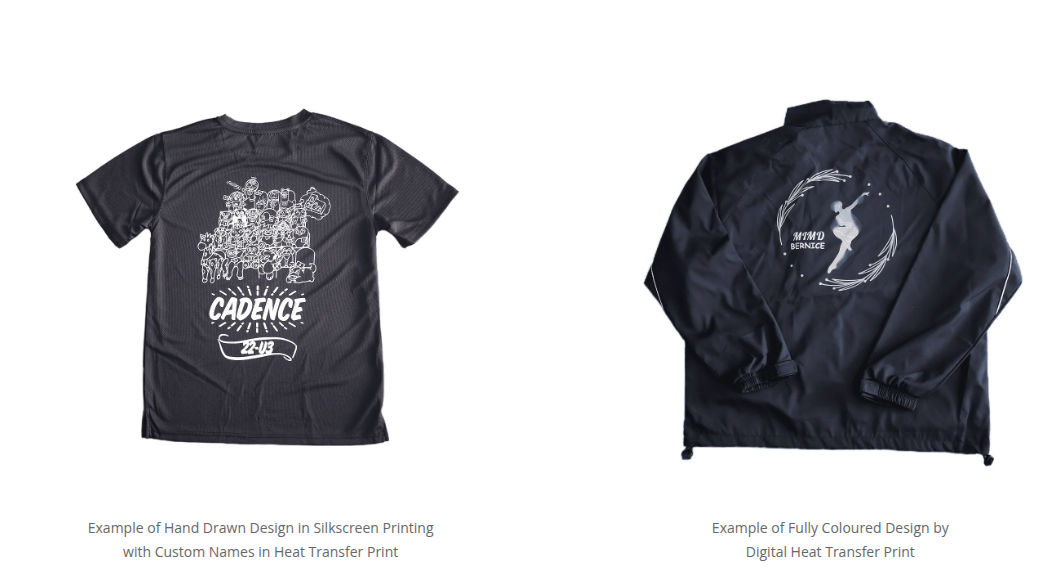
Heat transfer printing is a process where your design is first printed on special paper using heat transfer inks. Then, with the help of heat and pressure, the design is transferred onto the fabric. This method is known for:
-
High-quality, detailed prints
-
The ability to handle full-colour designs and photos
-
Fast turnaround time for small orders
It is usually used for custom t-shirts, uniforms, and promotional items.
Other Printing Methods You Should Know About
Before comparing, let’s quickly look at other options and see what makes each one different.
Screen Printing: In this method, ink is pressed through a stencil (or “screen”) into fabric. It is perfect for bulk orders with simple designs.
-
Embroidery: Here, the designs are stitched directly into fabric. Works best for logos on uniforms, caps, and polo shirts.
-
Sublimation: In the sublimation method, the prints dye directly into polyester fabric. Usually used for sports jerseys and all-over prints.
-
Vinyl Printing: In this method, designs are cut out of coloured vinyl sheets and heat-pressed onto fabric. Good for bold lettering or numbers.
Each method has its strengths, but also its limits.
Digital Heat Transfer Printing vs Other Methods: Factor-by-Factor Comparison
Cost
-
Digital heat transfer printing is affordable for small to medium orders, making it a great choice if you do not need hundreds of shirts, though costs can increase slightly for very large quantities.
-
Screen printing is very cost-effective for large orders because the setup cost is spread across many shirts, but it becomes expensive for small batches.
-
Embroidery generally costs more due to the labour and stitching involved, making it ideal for premium logos or corporate uniforms.
-
Sublimation has a moderate cost and works best for polyester fabrics, particularly for sportswear, but it is less flexible for cotton or mixed fabrics.
Fabric Compatibility
-
Digital heat transfer printing is versatile and works well on cotton, polyester, and blended fabrics, giving you more options when choosing your shirts.
-
Screen printing is mainly compatible with cotton and cotton blends, making it ideal for casual t-shirts.
-
Embroidery works on most fabrics, but can feel stiff or heavy on thin or soft materials.
-
Sublimation only works on light-coloured polyester, so it limits your fabric choices if you want cotton or darker colours.
Durability & Feel
-
Digital heat transfer prints are durable and last well if cared for, while remaining smooth and lightweight, which makes the shirts comfortable to wear.
-
Screen printing is also very durable, but the ink layer sits on top of the fabric and can feel slightly heavier.
-
Embroidery is extremely long-lasting and gives a premium appearance, but it can feel stiff or bulky, particularly on soft fabrics.
-
Sublimation prints become part of the polyester fabric, which makes them long-lasting, lightweight, and soft to the touch.
Turnaround Time
-
Digital heat transfer printing is fast and convenient, especially for small to medium orders, making it ideal if you need your shirts quickly.
-
Screen printing takes longer because of setup time, so it is better suited for bulk orders.
-
Embroidery requires a medium amount of time, especially for detailed designs that need more stitching.
-
Sublimation also takes a medium amount of time and requires polyester-compatible fabrics, which can add preparation steps.
Best Use Case
-
Heat transfer printing is best for small to medium orders, colourful and detailed designs, and versatile fabric choices, making it perfect for personalised gifts, dri fit shirt printing Singapore, or event merchandise.
-
Screen printing works well for bulk orders with simple logos or slogans.
-
Embroidery is ideal for corporate uniforms, polo shirts, or projects where a premium, professional look is desired in smaller quantities.
-
Sublimation is perfect for sportswear, dri fit shirts, and projects that require full-body, colourful designs on polyester.
Conclusion
Choosing the right printing method plays a very crucial role in how your designs look, feel, and last on your apparel. The right method ensures that your t-shirts, uniforms, or gifts come out exactly as you imagined, while also staying comfortable and durable.
For professional advice and high-quality results, you can count on TJG Print. With their experience in different printing methods, they can guide you to the option that best suits your needs, whether it’s for a school event, company uniform, or personal project. So, what are you waiting for? Bring your designs to life with professionals.

 Arabic
 French
 Spanish
 Portuguese
 Deutsch
 Turkish
 Dutch
Dutch
 Italiano
 Russian
 Romaian
 Portuguese (Brazil)
 Greek
Greek