


The Role of Marketing in Driving Sustainability Efforts


1. Introduction: Why Sustainability Needs Strong Marketing
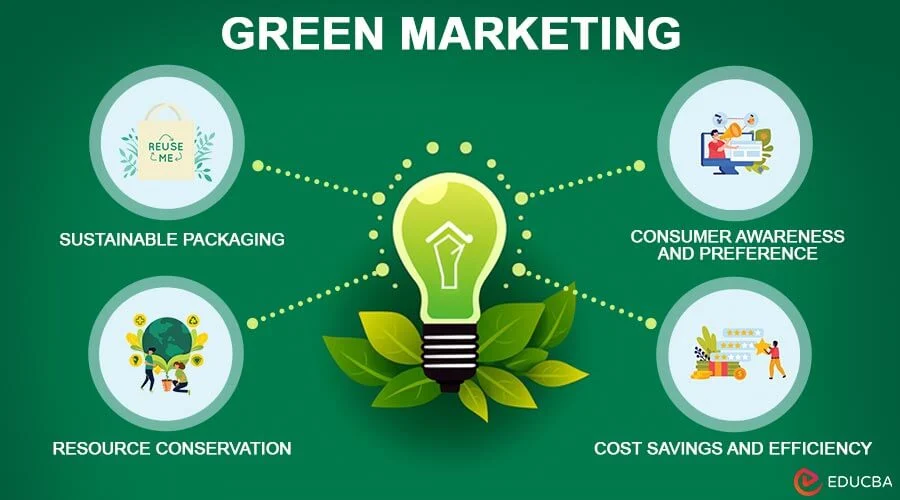
Sustainability alone is not enough—people must understand, believe in, and act on sustainable choices. This is where marketing becomes essential. Marketing bridges the gap between sustainable practices and public awareness, helping brands communicate their environmental and social commitments effectively.
Simply put:
Marketing transforms sustainability from an internal value into a public movement.
2. Educating Consumers About Sustainable Choices
Most consumers want to make responsible choices but lack clear information. Marketing plays a key role in:
-
Explaining why sustainable products matter
-
Highlighting environmental and social benefits
-
Providing clarity on certifications, materials, and supply chains
-
Helping consumers compare sustainable vs. traditional options
Sustainable marketing empowers people to choose consciously.
3. Building Trust Through Transparency
Consumers value honesty, especially regarding sustainability. Marketing practices such as:
-
Sharing real impact data
-
Showing behind-the-scenes production
-
Highlighting certifications and audits
-
Addressing challenges openly
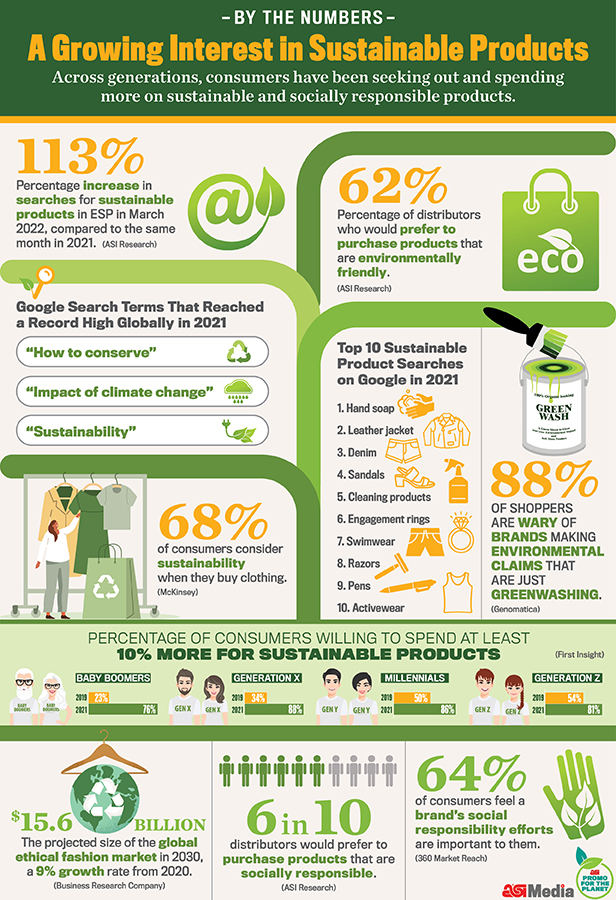
…help brands build long-term trust. In a world where greenwashing is common, authentic storytelling becomes a powerful credibility tool.
4. Inspiring Positive Behavior Change
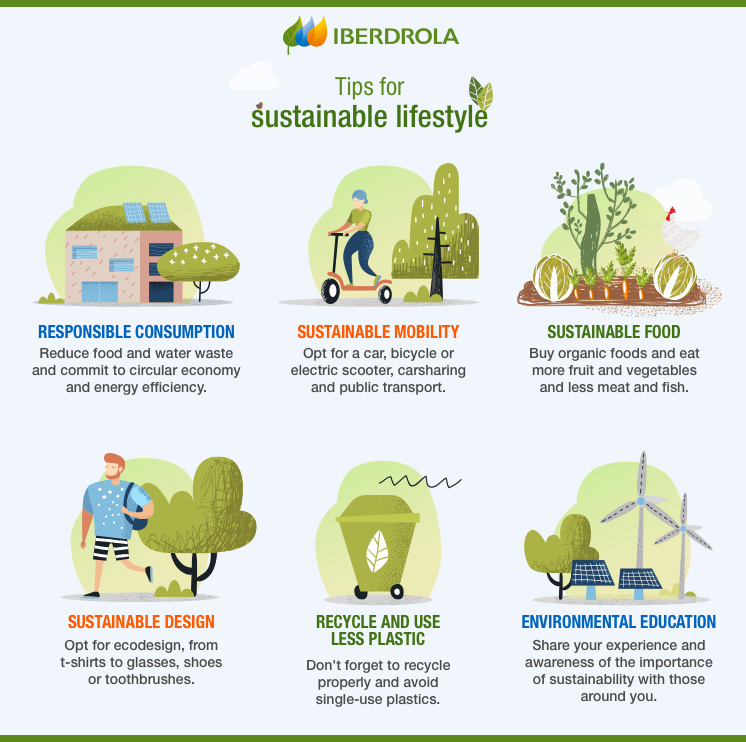
Marketing influences how people behave—and sustainability needs that influence. Through creative campaigns, brands can encourage:
-
Recycling and reusing
-
Conscious consumption
-
Reduced waste
-
Switching to eco-friendly products
-
Supporting ethical brands
Marketing doesn’t just sell products—it shapes culture.
5. Helping Businesses Shift Toward Sustainable Innovation
Marketing insights help companies understand:
-
What sustainable features customers truly value
-
Which eco-friendly innovations have demand
-
How to position green products in a competitive market
-
What barriers prevent customers from choosing sustainable options
This feedback loop pushes businesses to improve and innovate sustainably.
6. Differentiating Brands in a Crowded Market
Sustainability is now a powerful USP (Unique Selling Proposition). Marketing helps brands:
-
Highlight their eco-friendly advantages
-
Stand out from non-sustainable competitors
-
Create emotional connections through purpose-driven storytelling
Purpose-led brands often gain stronger customer loyalty.
7. Mobilizing Communities and Partnerships
Marketing helps bring people together around sustainability goals. It enables:
-
Collaborations with NGOs and green organizations
-
Community-based clean-up or recycling programs
-
Awareness campaigns
-
Collective pledges for sustainability
Marketing turns sustainability into a shared mission—not just a business goal.
8. Encouraging Internal Culture Change
Sustainability starts inside the organization. Marketing contributes by:
-
Promoting internal green initiatives
-
Encouraging employee participation
-
Building a culture aligned with sustainability values
-
Communicating company-wide sustainability goals
A strong internal sustainability culture increases external credibility.
9. Conclusion: Marketing as a Catalyst for Sustainable Impact
Marketing has the power to turn sustainability from a strategy into a story, and from a story into a movement. It educates, inspires, builds trust, and mobilizes people. When done right, sustainable marketing helps companies grow responsibly—while making a genuine difference for the planet and society.

 Arabic
 French
 Spanish
 Portuguese
 Deutsch
 Turkish
 Dutch
Dutch
 Italiano
 Russian
 Romaian
 Portuguese (Brazil)
 Greek
Greek