


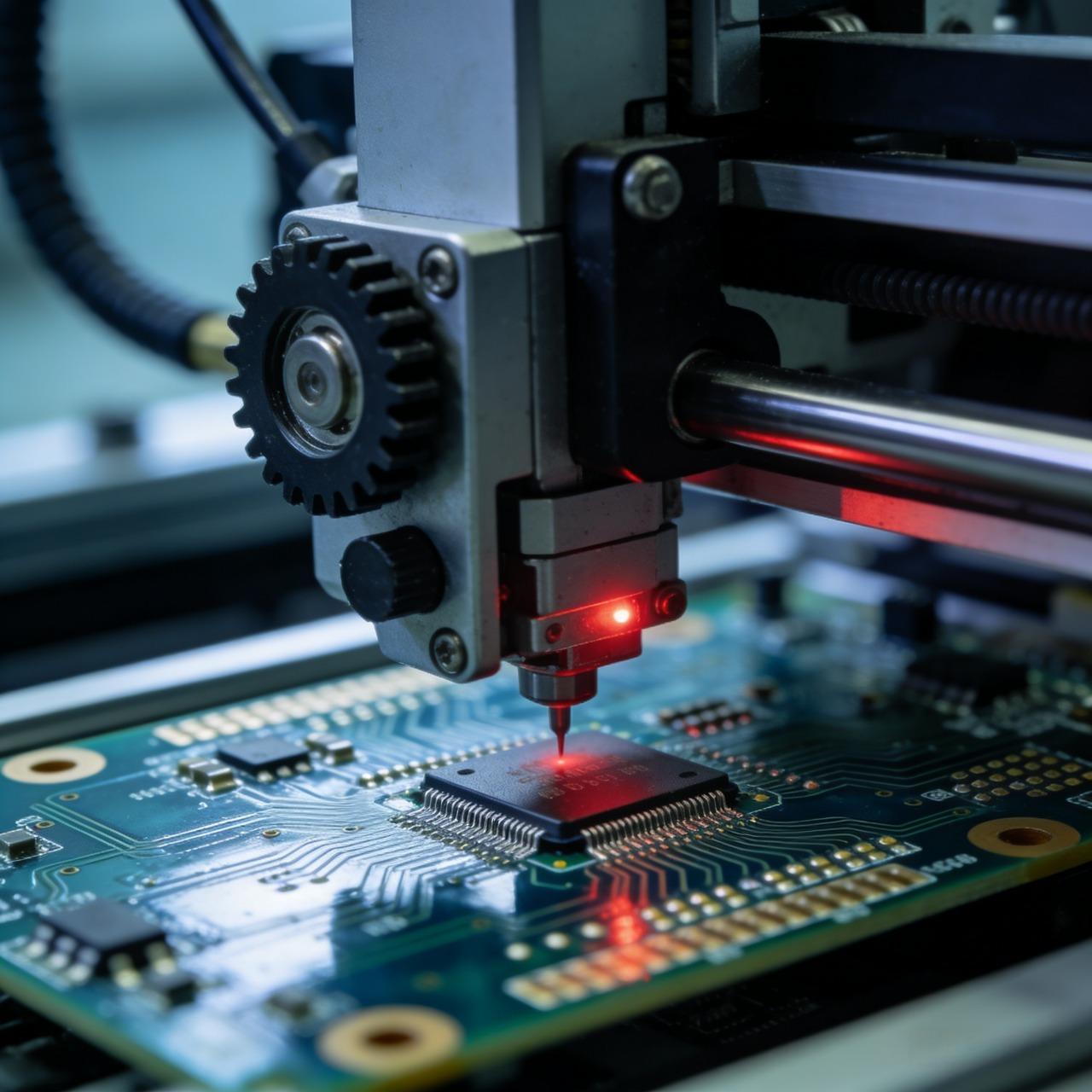
When sourcing PCBA (Printed Circuit Board Assembly), most quotes look straightforward on the surface. However, the real "profit killers" are often buried in the process flow itself. Understanding where your money goes—and where it doesn't have to—is the difference between a successful product launch and a budgetary nightmare.
1. The Anatomy of PCBA Costs: Where is the Money Going?
In modern electronics manufacturing, labor is rarely the biggest expense. The true costs lie in precision and setup time.
-
The BGA Factor: High-density components like BGAs (Ball Grid Arrays) require X-ray inspection. If your design uses multiple BGAs, the inspection overhead increases significantly.
-
The Stencil Secret: Complex designs often require stepped stencils (specialized steel meshes) to handle components of varying heights. These can cost 3x more than standard laser-cut stencils.
-
Testing Complexity: Functional Circuit Testing (FCT) is essential, but every additional test point adds seconds to the cycle time. In mass production, those seconds translate into thousands of dollars.
2. Process Trade-offs: Making the Right Call
Choosing the wrong soldering method for your volume can lead to unnecessary spending.
| Process | Best For | Cost Driver |
| Manual Soldering | Prototypes / Low Volume | High labor cost, lower consistency. |
| Wave Soldering | Through-hole components | High setup cost (solder pot energy and jigs). |
| Reflow Soldering | Surface Mount (SMT) | Highly efficient for high-density boards. |
Pro Tip: Why is "Prototyping" so expensive? It’s not the materials; it’s the Machine Setup. Setting up an SMT line takes the same amount of time for 5 boards as it does for 5,000. This is why partnering with an agile manufacturer like Sanshun Smart is critical for balancing speed and cost.
3. DFM: Designing for Your Bottom Line
Design for Manufacturing (DFM) is the ultimate tool for cost reduction. By tweaking your design before it hits the factory floor, you can see immediate savings:
-
Eliminate Double-Sided SMT: If you can move all components to a single side, you eliminate a second pass through the reflow oven, potentially reducing assembly costs by 15-20%.
-
Component Standardization: Using common footprints (like 0603 or 0402) allows the manufacturer to use "feeder" setups they already have in place, reducing setup fees.
-
Panelization Strategy: Maximizing the number of boards per panel reduces material waste and speeds up the "pick and place" process.
Why Strategy Matters
In the competitive landscape of 2026, PCBA is no longer a commodity; it is a strategic partnership. By optimizing your process flow and embracing DFM principles, you aren't just buying a circuit board&mdash- you're securing your product's market viability.
Looking for a partner who prioritizes your margins? Explore the advanced assembly capabilities at Sanshun Smart and see how precision engineering meets cost-effective manufacturing.

 Arabic
 French
 Spanish
 Portuguese
 Deutsch
 Turkish
 Dutch
Dutch
 Italiano
 Russian
 Romaian
 Portuguese (Brazil)
 Greek
Greek