


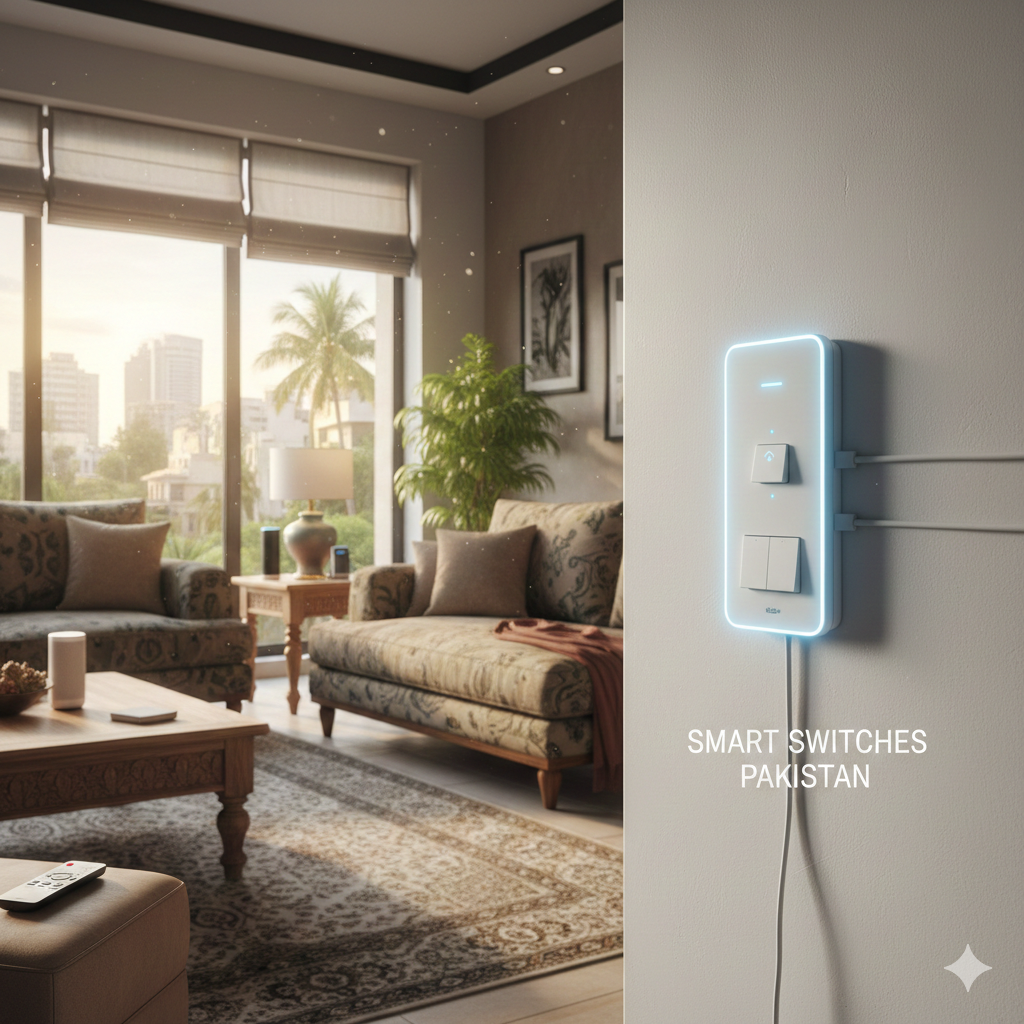
In recent years, the concept of a smart home has transitioned from a futuristic idea to a practical reality for many households around the world. Pakistan is no exception to this trend, as more consumers and businesses are embracing smart technologies to increase convenience, energy efficiency, and security. Among the most fundamental smart devices transforming everyday living are smart switches. But what exactly are smart switches, and why are they gaining popularity in Pakistan? This article provides a comprehensive overview of smart switches in the Pakistani context, explaining their benefits, use cases, installation considerations, and future potential.
What Are Smart Switches?
Smart switches are modern electrical switches that replace traditional light or appliance switches and can be controlled remotely. Unlike conventional switches that operate manually, smart switches connect to a network—typically Wi-Fi or a smart home hub—and allow users to manage lights and devices through mobile apps, voice assistants, or automated schedules. They integrate technology with everyday electrical systems to provide enhanced control over lighting and connected appliances.
The Growing Demand for Smart Switches in Pakistan
The demand for smart switches in Pakistan is driven by several factors:
-
Rise of Smart Home Awareness: With increased internet penetration and exposure to global trends, Pakistani consumers are becoming more aware of smart home solutions.
-
Urbanization and Modern Living: As urban centers grow, modern housing developments and apartment complexes incorporate smart technologies to appeal to tech-savvy residents.
-
Need for Energy Efficiency: Frequent power shortages and rising electricity costs have encouraged homeowners to seek energy-saving solutions.
-
Advancements in Technology: The availability of affordable smart devices and compatibility with popular platforms like Google Assistant and Amazon Alexa make smart switches more accessible to the average consumer.
How Smart Switches Work
Smart switches work by connecting to a home’s existing electrical wiring and communicating with other devices through wireless technology. Here’s a simplified explanation of their operation:
-
Connection: Smart switches connect to a home Wi-Fi network or a smart hub such as Zigbee or Z-Wave.
-
Control Interface: Users can manage switches via a smartphone app, voice commands through digital assistants (like Google Assistant or Amazon Alexa), or through programmed schedules.
-
Automation and Sensors: Some smart switches can integrate with motion sensors, ambient light sensors, and timers to automate actions like turning lights on when someone enters a room or off after a certain period of inactivity.
Key Benefits of Smart Switches in Pakistan
Smart switches offer numerous advantages that make them appealing to Pakistani households and businesses:
1. Enhanced Convenience
Smart switches eliminate the need to physically operate switches to control lights or appliances. Users can manage devices from anywhere using a mobile app. For example, you can turn off lights after leaving home or switch on air conditioning before arriving.
2. Energy Efficiency and Cost Savings
One of the most significant benefits of smart switches is the ability to reduce wasted energy. By scheduling devices to turn off when not in use or integrating with motion sensors, households can significantly cut electricity consumption. This is especially valuable in Pakistan, where energy costs are high and load shedding may be frequent.
3. Integration With Smart Home Ecosystems
Smart switches often support integration with voice assistants and other smart devices. This allows users to create customized automation routines. For instance, saying “Good night” could turn off all lights and lock smart door systems simultaneously.
4. Enhanced Security
Smart switches can improve home security by simulating occupancy. Users can program lights to turn on and off at specific times to make it appear as though someone is home, deterring potential intruders. Integration with security systems and cameras can further increase safety.
5. Remote Accessibility
In Pakistan’s busy urban lifestyle, remote accessibility provides peace of mind. Whether you’re at work or traveling abroad, smart switches let you monitor and control devices in real-time.
Use Cases: Real Examples of Smart Switch Applications
To better understand how smart switches fit into daily life, consider the following use cases:
Smart Lighting Routines
Imagine arriving home after a long day. As soon as you open the front gate, a series of smart lights turn on automatically—from exterior porch lights to hallway and living room lighting. This scenario is possible with smart switches synchronized with motion sensors or geofencing features.
Energy Management in Businesses
In offices and commercial buildings, smart switches can be used to optimize lighting according to business hours. Lights in conference rooms, lobbies, and washrooms can be programmed to switch off automatically during non-business hours, eliminating unnecessary energy use.
Remote Control for Hard-to-Reach Areas
In multipurpose homes with multiple floors or outdoor spaces, reaching switches manually can be inconvenient. Smart switches provide remote access through an app so users can control devices in garages, gardens, or basement spaces without physically interacting with switches.
Installation and Compatibility Considerations
Before investing in smart switches, it’s important to consider installation requirements and compatibility issues:
1. Electrical Compatibility
Smart switches replace traditional switches and must match the wiring system in your home. Many smart switches are designed for standard wiring, but it’s important to check whether neutral wires are required, as some models need them for proper operation.
2. Network Requirements
Smart switches typically need a stable Wi-Fi network or a compatible smart home hub. In areas with less reliable internet connectivity, performance may be impacted. Choosing smart switches that support local control (without the internet) can be advantageous.
3. Compatibility With Smart Assistants
Most smart switches support popular voice assistants like Google Assistant and Amazon Alexa. If you use a specific platform, ensure the switch you choose is compatible.
4. Professional Installation vs DIY
While some smart switches can be installed by homeowners familiar with electrical work, others may require professional installation to ensure safety and proper functionality. In Pakistan, hiring a licensed electrician is often recommended to avoid electrical hazards.
Popular Smart Switch Features to Look For
When shopping for smart switches in Pakistan, consider these key features:
Scheduling and Timers: Allows you to program lights or devices to turn on/off at set times.
Voice Control Integration: Compatibility with voice assistants enables hands-free control.
Scene and Automation Customization: Lets you create scenes where multiple devices respond to a single command (e.g., “movie night”).
Energy Monitoring: Some smart switches can track energy usage, helping you identify where electricity is consumed most.
Local and Remote Control: Ensure the device supports both local network control and remote access via the internet.
Challenges and Limitations
Despite their many benefits, smart switches come with certain challenges:
1. Initial Cost
Smart switches are more expensive than conventional switches. While ongoing savings in electricity bills can offset this cost, the upfront investment may be a barrier for some consumers.
2. Internet Dependence
Many smart switches rely on internet connectivity for remote access and real-time control. In areas with unstable internet, performance issues may arise.
3. Compatibility and Fragmentation
Different smart home ecosystems and communication protocols can create compatibility issues. Choosing devices that follow widely adopted standards can reduce frustration.
4. Technical Support and Warranty
Local availability of technical support and warranty services can vary in Pakistan. It’s important to buy from reputable brands and vendors to ensure reliable after-sales support.
The Future of Smart Switches in Pakistan
Smart switches represent a foundational step toward fully automated homes. As technology evolves and economies of scale reduce costs, it is likely that smart switches will become even more prevalent in Pakistan. Future developments may include:
-
Increased Adoption of IoT Protocols: Wider use of standards like Zigbee and Matter for better interoperability among smart devices.
-
Smart Grid Integration: Integration with energy providers to optimize power consumption and support load balancing.
-
Enhanced Security Features: Biometric and AI-based controls for personalized smart home experiences.
-
Localized Products and Services: Growth of Pakistani brands offering cost-effective and region-specific smart solutions.
Conclusion
Smart switches are redefining how lights and appliances are controlled in modern homes across Pakistan. They offer convenience, energy efficiency, remote accessibility, and enhanced security while laying the groundwork for more comprehensive smart home systems. Although considerations like cost, internet dependency, and installation requirements must be carefully evaluated, the benefits of smart switches make them a compelling choice for homeowners and businesses alike.
As Pakistan continues to embrace digital transformation and smart living, smart switches will likely play an increasingly important role in everyday life. Whether you are upgrading a single room or automating an entire property, understanding the features, use cases, and installation considerations will help you choose the right smart switch solutions for your needs.
If you are considering stepping into the world of smart homes, smart switches in Pakistan provide a practical and impactful starting point. With proper planning and product selection, they can significantly improve comfort, convenience, and energy management in your living or working space.

 Arabic
 French
 Spanish
 Portuguese
 Deutsch
 Turkish
 Dutch
Dutch
 Italiano
 Russian
 Romaian
 Portuguese (Brazil)
 Greek
Greek