



Nutrition and Mental Health — Self Care
What is Nutrition?
Nutrition is a biological process through which the body receives energy, repairs damaged cells, strengthens immunity, and maintains overall health through food intake, digestion, and absorption. To stay healthy, our body needs nutritious and balanced food. Proper nutrition increases physical strength, supports growth, and protects the body from diseases.
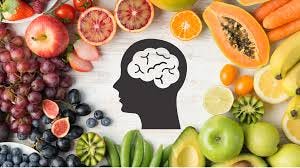
There are six main components of food that provide nutrition to the body:
1. Protein
Protein helps build body tissues and repair damaged cells. It is essential for muscle growth and overall body development.
2. Vitamins
Vitamins help maintain good health, improve immunity, and keep the body physically fit and active.
3. Carbohydrates
Carbohydrates are the main source of energy for the body. They help keep the body active, healthy, and strong.
4. Fat
Fat provides heat and energy to the body and supports many important body functions.
5. Minerals
Minerals help regulate body functions and support physical performance and healthy growth.
6. Water
Water maintains body temperature, transports nutrients, and keeps the body hydrated.
These six elements together form a balanced diet, which is essential for maintaining a healthy life.
Nutrition is necessary for the body to function properly. It helps produce energy, supports growth and repair, improves immunity, and maintains physical performance. Proper nutrition also helps the body remove waste materials efficiently.
Without proper nutrition, the body becomes weak and vulnerable to diseases. Therefore, balanced nutrition is essential for maintaining both physical and mental well-being.
Harm Caused by Lack of Proper Nutrition
Malnutrition or lack of proper nutrition can seriously affect the human body and mind.
1. Physical Weakness
Lack of protein and calories weakens the body and slows physical growth, especially in children. It may also cause weight loss and reduced height growth.
Deficiency of calcium and vitamins weakens bones, making them soft and more likely to break.
2. Reduced Immunity
Poor nutrition weakens the immune system, making the body more vulnerable to infections such as fever, diarrhea, and other illnesses.
Long-term malnutrition affects brain function and mental health. It can reduce memory, concentration, and performance. It may also lead to:
- Depression
- Anxiety
- Irritability
- Mood swings
- Stress
Diseases Caused by Nutritional Deficiency

Some common diseases caused by lack of nutrition include:
- Iron deficiency → Anemia
- Iodine deficiency → Goiter and developmental problems
- Vitamin A deficiency → Night blindness
- Vitamin C deficiency → Tooth and gum problems
- General vitamin deficiency → Weak immunity
Other symptoms include:
- Dry skin
- Hair loss
- Brittle nails
- Fatigue and weakness
- Insomnia
- Reduced physical performance
Benefits of Proper Nutrition
Getting the right nutrition provides many health benefits.
Physical Benefits
1. Strong Muscles and Body Growth
Protein-rich foods help build muscles and repair body tissues.
2. Strong Bones
Calcium and Vitamin D strengthen bones and prevent bone loss.
3. Better Brain Function
Proper nutrition improves memory, focus, and mental performance.
4. Stable Mood
Nutritious food helps maintain emotional balance and reduces stress.
5. Increased Energy
Carbohydrates and healthy fats provide energy and help keep the body active.
6. Healthy Skin and Hair
Good nutrition supports healthy skin and reduces hair fall.
7. Better Eye Health
Proper nutrition improves eyesight and helps prevent vision problems.
8. Longer and Healthier Life
Balanced nutrition reduces the risk of diseases and supports a healthier, longer life.
Mental Health
Mental health refers to a person’s emotional, psychological, and social well-being. It affects thoughts, feelings, behavior, and the ability to handle daily life.
Mental health is just as important as physical health because both are deeply connected.
Causes of Mental Illness
One major cause of mental health problems is poor nutrition. Lack of proper nutrients affects brain function and increases mental stress.
Common signs of mental health problems include:
- Irritability
- Aggressive behavior
- Lack of concentration
- Mood swings
- Stress from small tasks
- Loss of interest in work
- Neglecting self-care
- Behavioral changes
However, mental illness can have many causes. If these symptoms appear, seeking medical advice is important.
Relationship Between Nutrition and Mental Health

Nutrition and mental health are closely connected. Just as nutrition supports physical health, it also supports brain health and emotional stability.
A balanced and nutritious diet helps:
- Improve mood
- Reduce stress
- Increase concentration
- Strengthen brain function
- Support emotional well-being
Malnutrition can negatively affect both body and mind. Therefore, consuming healthy and nutritious food is essential for maintaining overall health and ensuring a better quality of life.
Coclusion
Proper nutrition is one of the most important parts of self-care. It strengthens the body, boosts immunity, improves mental health, and helps maintain a healthy lifestyle. A balanced diet not only protects us from diseases but also keeps our mind fresh and active.
Therefore, everyone should develop healthy eating habits and ensure proper nutrition for a happier, healthier, and more energetic life.

 Arabic
 French
 Spanish
 Portuguese
 Deutsch
 Turkish
 Dutch
Dutch
 Italiano
 Russian
 Romaian
 Portuguese (Brazil)
 Greek
Greek