


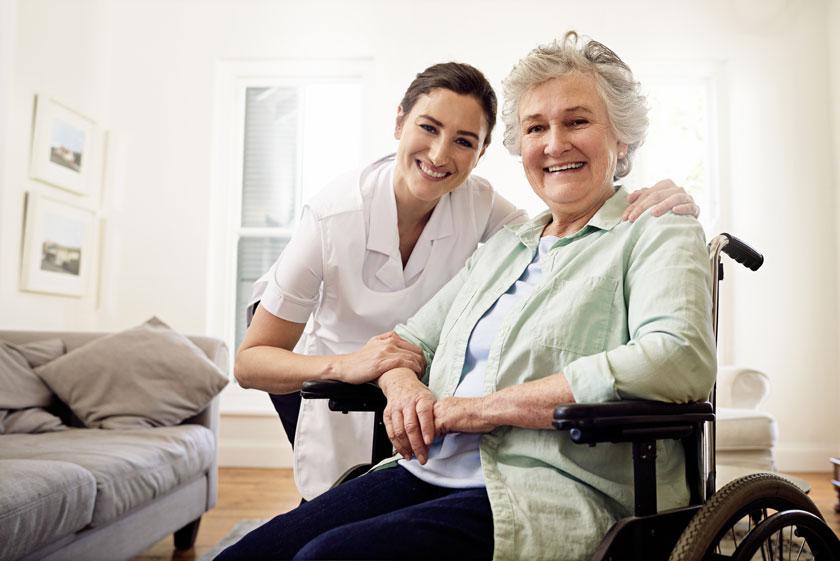
Creating a secure and supportive living space is one of the most important aspects of caring for someone with dementia. As cognitive abilities decline, individuals may experience memory loss, confusion, impaired judgment, and difficulties performing daily activities. Families seeking Dementia Care At Home In Dubai often focus on adapting the home environment to reduce risks while maintaining comfort and independence. When combined with professional healthcare services such as Doctor at Home, a safe home setting can significantly improve the quality of life for dementia patients and provide peace of mind for family members.
Understanding Safety Challenges in Dementia Care:
Dementia affects a person's ability to recognize hazards, remember safety precautions, and make sound decisions. Common challenges include wandering, falls, medication errors, and accidental injuries. Individuals may forget to turn off appliances, become disoriented in familiar surroundings, or struggle with balance and mobility. Recognizing these risks is the first step toward creating a home environment that supports both safety and independence.
Conducting a Home Safety Assessment:
A thorough home safety assessment helps identify potential dangers before they lead to accidents. Caregivers should carefully inspect every room and evaluate areas that may pose risks to the individual. Important elements to assess include:
- Slippery floors and loose rugs
- Poor lighting conditions
- Unsecured stairways
- Sharp objects and hazardous tools
- Electrical cords and cluttered walkways
- Easily accessible medications and cleaning products
Addressing these concerns can significantly reduce the likelihood of injuries and emergencies.
Improving Lighting Throughout the Home:
Proper lighting plays a crucial role in preventing falls and reducing confusion among dementia patients. Dimly lit areas can create shadows that may be misinterpreted, leading to anxiety or disorientation. Bright, even lighting should be installed in hallways, bedrooms, bathrooms, and staircases. Motion-sensor lights can be especially helpful during nighttime hours, allowing individuals to navigate safely without searching for light switches.
Preventing Falls and Mobility Accidents:
Falls are among the most common safety concerns for people living with dementia. Creating clear pathways and removing obstacles can improve mobility and reduce risks. Caregivers should ensure that furniture is arranged to allow easy movement and that flooring remains stable and slip-resistant. Helpful fall-prevention measures include:
- Installing grab bars in bathrooms
- Using non-slip mats
- Securing loose carpets
- Providing supportive footwear
- Keeping walkways free from clutter
- Ensuring stair railings are sturdy and accessible
These modifications contribute to a safer and more accessible living environment.
Securing Doors and Preventing Wandering:
Wandering is a common behavior among dementia patients and can place them in dangerous situations. Individuals may leave home unexpectedly due to confusion, anxiety, or a desire to find familiar places. Installing secure locks, door alarms, and monitoring systems can help prevent unsupervised exits. Families may also consider identification bracelets or GPS tracking devices to enhance safety while preserving the individual's dignity and freedom.
Making the Kitchen Safer:
The kitchen contains several potential hazards, including sharp utensils, hot surfaces, and electrical appliances. Dementia patients may forget to turn off the stove or use kitchen equipment improperly. To improve kitchen safety, dangerous items should be stored securely, appliance safety devices should be installed, and access to high-risk equipment should be monitored. Simplifying kitchen layouts and labeling cabinets can also make meal preparation safer and less confusing.
Enhancing Bathroom Safety:
Bathrooms can be particularly hazardous due to wet surfaces and limited mobility. Falls frequently occur in these areas, making preventive measures essential. Installing grab bars near toilets and showers, using non-slip flooring, and ensuring adequate lighting can improve safety. Water temperature regulators can also help prevent accidental burns, especially for individuals who may have difficulty judging temperature accurately.
Organizing Medications Properly:
Medication management is a critical component of dementia care. Memory loss can result in missed doses, duplicate medications, or accidental misuse. Organizing medications in clearly labeled containers and establishing consistent schedules can help minimize errors. Caregivers should regularly review prescriptions and monitor adherence to treatment plans. Professional support may also be beneficial when managing complex medication regimens.
Reducing Stress and Confusion Through Familiarity:
A familiar environment can provide comfort and reduce anxiety for dementia patients. Significant changes to home layouts or décor may increase confusion and distress. Maintaining recognizable furniture, personal belongings, and meaningful photographs can help reinforce a sense of security. Visual cues such as labels on doors, cabinets, and rooms can further support orientation and independence in daily activities.
Using Technology to Improve Safety:
Modern technology offers valuable tools that can enhance dementia care at home. Devices such as motion sensors, video monitoring systems, medication reminders, and emergency alert systems help caregivers monitor safety while supporting independence. Smart home solutions can automate lighting, temperature control, and security features, creating a more responsive and protective living environment for individuals with cognitive impairment.
Encouraging Safe Daily Activities:
Remaining active is important for both physical and mental well-being, but activities should be adapted to match the individual's abilities. Safe and engaging activities can reduce boredom, improve mood, and support cognitive function. Recommended activities may include:
- Gentle indoor exercises
- Gardening in secure outdoor spaces
- Arts and crafts projects
- Listening to music
- Reading familiar books
- Participating in simple household tasks
These activities help maintain a sense of purpose while minimizing safety risks.
The Importance of Professional Support:
While family caregivers play a vital role in creating a safe environment, professional assistance can provide additional expertise and reassurance. Healthcare professionals can assess evolving needs, recommend safety modifications, and develop personalized care plans. Families utilizing Dementia Care At Home In Dubai often benefit from trained caregivers who understand the unique challenges of dementia and can provide specialized support that enhances safety, comfort, and quality of life.
Final Thoughts
Creating a safe home environment for dementia patients requires careful planning, ongoing assessment, and a compassionate approach. By identifying potential hazards, implementing practical safety measures, and maintaining familiar surroundings, families can help their loved ones remain comfortable and secure at home. A combination of thoughtful home modifications, supportive caregiving, and professional assistance can significantly improve daily living while promoting dignity, independence, and overall well-being for individuals living with dementia.

 English
 French
 Spanish
 Portuguese
 Deutsch
 Turkish
 Dutch
Dutch
 Italiano
 Russian
 Romaian
 Portuguese (Brazil)
 Greek
Greek