


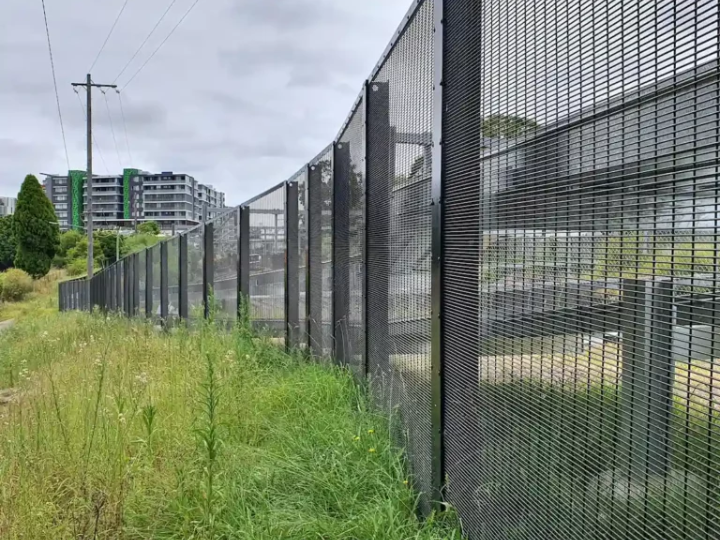
Ensuring Long-Term Security
Investing in 358 mesh fencing is a strategic decision for commercial and government sites that require robust perimeter protection. While this type of fencing is highly durable and resistant to tampering, routine inspections are critical to maintain its effectiveness. Regular checks help identify potential issues before they become costly problems, ensuring the fence continues to provide a secure barrier for years to come.
Scheduled Visual Inspections
The first step in maintaining this fencing is establishing a regular visual inspection schedule. Facility managers should check for visible signs of wear, corrosion, or damage to the panels and posts. Areas near gates, corners, and high-traffic zones often experience more stress and are more likely to show early signs of compromise. Documenting findings during each inspection helps track wear patterns and informs maintenance priorities.
Checking Structural Integrity
Beyond surface inspections, assessing the structural integrity of panels and posts is essential. Look for bent or loose sections, compromised fasteners, or leaning posts. Even minor weaknesses can compromise security if left unattended. Promptly addressing issues ensures compliance with safety and security regulations and reduces the risk of unauthorised access.
Gate Functionality and Access Points
Gates and access points are critical components of any high-security perimeter. Regularly inspect hinges, locks, and automated systems to ensure they operate smoothly. Malfunctioning gates can create vulnerabilities, allowing unauthorised entry. Coordinating inspections with operational schedules ensures minimal disruption while maintaining security standards.
Corrosion and Environmental Damage
Exposure to harsh weather, moisture, and industrial pollutants can affect the longevity of the fencing. Inspect galvanised or coated surfaces for signs of rust, peeling, or chemical damage. Implementing protective coatings or regular cleaning routines can mitigate corrosion and extend the fence’s lifespan. Preventative maintenance also reduces the need for expensive replacements, making it a cost-effective strategy for large-scale projects.
Professional Maintenance and Repairs
While routine inspections identify most issues, some repairs require professional intervention. Engaging trained fencing specialists ensures that repairs meet industry standards and preserve the structural integrity of the fencing. Whether replacing damaged panels, tightening posts, or adjusting gates, professional maintenance maintains the high security and durability standards expected in commercial and government projects.
Record-Keeping and Compliance
Maintaining detailed records of inspections and repairs is essential for compliance and operational efficiency. Documenting all maintenance activities demonstrates a proactive approach to site security and ensures accountability. These records are valuable for audits, risk assessments, and regulatory reviews in sectors like logistics, government infrastructure, and critical facilities management.
Routine inspections are fundamental to maximising the longevity and performance of 358 mesh fencing. Implementing scheduled checks, monitoring structural integrity, maintaining gates, addressing corrosion, and engaging professional services ensures long-term security for high-value assets. Prioritising these practices helps facility managers maintain compliance, protect operations, and secure commercial and government sites effectively.

 English
 French
 Spanish
 Portuguese
 Deutsch
 Turkish
 Dutch
Dutch
 Italiano
 Russian
 Romaian
 Portuguese (Brazil)
 Greek
Greek