


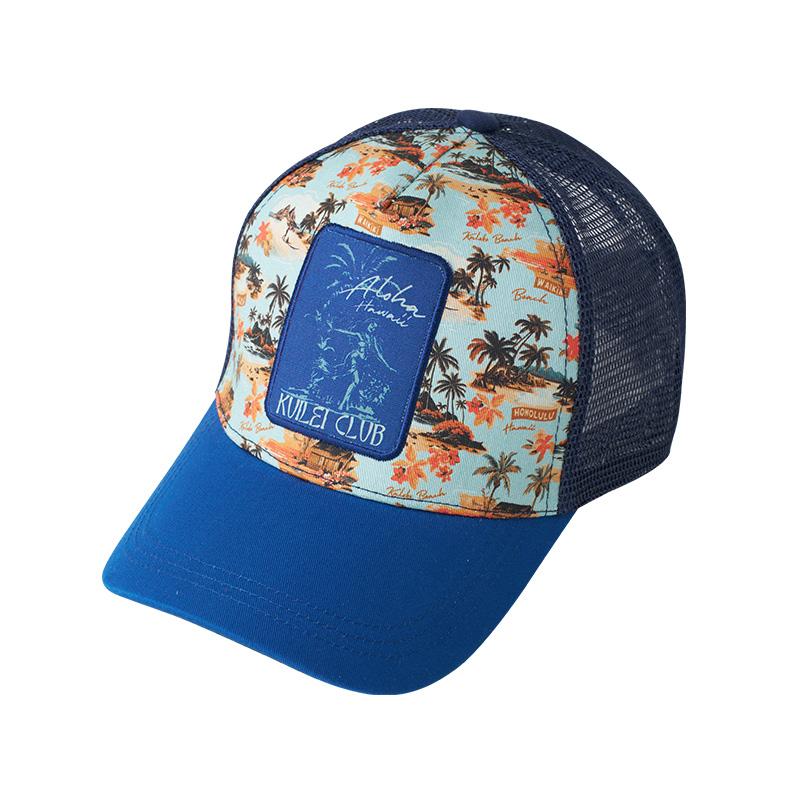
Mesh hats represent a deliberate and functional departure in the design of modern headwear, prioritizing ventilation and climate management above all else. This category is defined by its use of open-weave fabric panels, typically constructed from synthetic fibers like polyester, which are integrated into the structure of the cap. The primary purpose of this mesh material is to facilitate the continuous exchange of air. Unlike traditional caps made from solid cotton or wool, which can trap heat and moisture, a mesh hat actively works to dissipate warmth and accelerate the evaporation of perspiration. This design is not an aesthetic accident but a response to specific environmental and physical challenges. It addresses the discomfort experienced during prolonged activity in warm conditions, whether that activity is athletic, occupational, or leisurely. The typical construction pairs these breathable mesh sections, often forming the rear and sides of the crown, with a solid front panel. This front section provides necessary structure, a stable base for logos or embroidery, and focused shade for the forehead. This hybrid architecture creates a distinctive silhouette that is immediately recognizable and intrinsically linked to utility.
The practical applications for such headgear are extensive and directly tied to its functional benefits. For athletes such as runners, cyclists, or golfers, the enhanced airflow helps regulate head temperature, which can support endurance and maintain comfort. In outdoor trades, from construction to landscaping, a mesh hat offers a critical relief from heat buildup during long shifts under the sun. Even for casual use in hot and humid climates, this style of hat provides a noticeable cooling advantage over its solid-fabric counterparts. The lightweight nature of the mesh material also contributes to overall comfort, reducing the sense of weight or burden during all-day wear. This combination of active cooling and reduced heft has secured the mesh hat’s position as a rational and preferred choice in numerous warm-weather scenarios. Its value is derived from a tangible, physical benefit rather than mere stylistic convention.
Beyond pure utility, the mesh hat has navigated a interesting cultural journey. The classic “trucker” style, with its foam front and mesh back, originated as promotional merchandise. Given away by businesses, these hats were valued by workers for their breathability. Their subsequent adoption by various subcultures transformed them from disposable advertising into items with stylistic resonance. This evolution demonstrates how a design rooted in function can acquire new layers of social meaning. Today, mesh hats are produced in a wide array of designs, colors, and material qualities, catering to both their functional heritage and their fashion status. When selecting a mesh hat, considerations extend to the durability of the mesh weave, the robustness of the stitching connecting different materials, the stiffness of the brim, and the presence of comfort features like an absorbent sweatband. The ongoing relevance and design evolution of mesh hats underscore a fundamental principle in product development: solutions focused on genuine physiological comfort can achieve broad and enduring appeal.

 English
 Arabic
 French
 Spanish
 Portuguese
 Deutsch
 Turkish
 Dutch
Dutch
 Italiano
 Russian
 Romaian
 Portuguese (Brazil)