


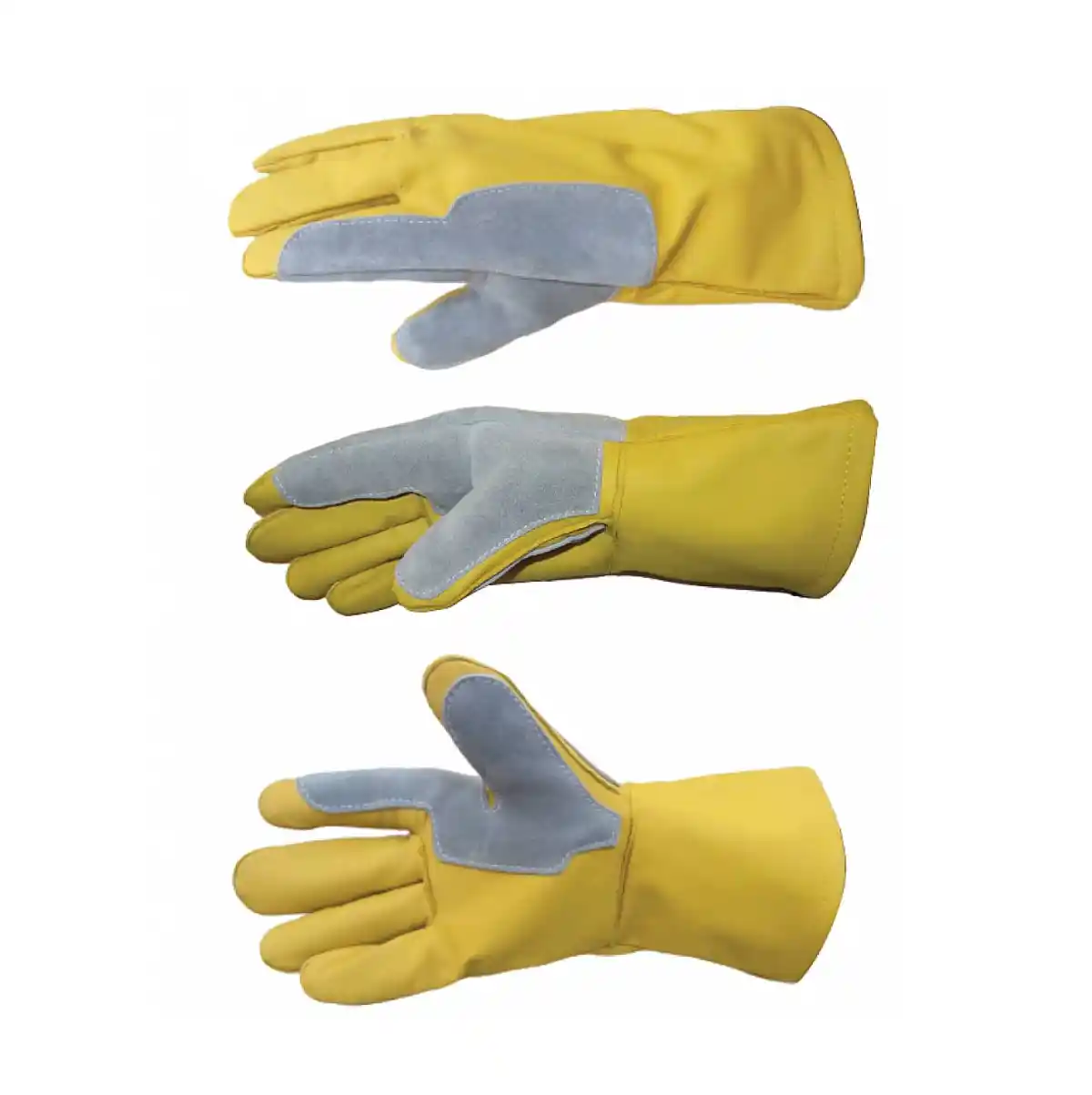
The field of animal research is evolving, and so is the equipment used to manage subjects. Traditional gloves often fail when it comes to the dexterity needed for handling mice or ferrets. Modern finger gloves offer a unique solution by protecting the most vulnerable areas without sacrificing the technician's sense of touch.
Maximizing Dexterity with Advanced Finger Gloves
Hand fatigue is a common complaint among lab technicians who spend hours performing delicate tasks. By focusing protection on the fingers used for pinching and holding, these specialized gloves allow for more natural hand movements. This is particularly important when working with unpredictable animals like ferrets or infant primates.
Comparing Traditional Nitrile Gloves and Tactile Plus Series
While standard nitrile gloves are excellent for general barrier protection, they often lack the reinforced structure needed for animal handling. The Tactile Plus series bridges this gap by offering reinforced zones that resist punctures from small teeth and claws while maintaining a thin, sensitive profile for the user.
The Tri-Point Glove for Needlestick Resistance
Safety in the lab goes beyond animal bites; needlestick injuries are a significant risk. The Tri-Point glove is specifically designed to offer resistance against accidental needle pokes. This makes it an essential tool for researchers administering vaccinations or drawing blood from small laboratory subjects throughout the day.
-
Tri-layer protection technology.
-
High-visibility colors for safety.
-
Compatible with most chemical disinfectants.
-
Optimized for mouse and rat handling.
Handling Ferrets and Infant Primates Safely
Ferrets and infant primates require specialized care due to their agility and strength. The 2-Finger Tactile Plus glove is often the preferred choice here, as it allows the handler to maintain a firm but gentle hold. This specialized gear ensures that the revenue-driving sectors of research remain safe and efficient.
-
Identify the specific handling risks.
-
Deploy the Tri-Point glove for needle tasks.
-
Use Tactile Plus for restraint procedures.
Conclusion
The gap in the market for specialized rodent handling is being filled by innovative designs like the Tactile Plus range. By integrating advanced materials and ergonomic shapes, handlers can perform their duties more effectively. Investing in the right protection ensures both human safety and the highest standards of animal welfare in research settings.

 English
 Arabic
 French
 Spanish
 Portuguese
 Deutsch
 Turkish
 Dutch
Dutch
 Italiano
 Russian
 Romaian
 Greek
Greek