


Signs a Simple Filling Is No Longer Enough
Dental fillings are effective for minor decay, but they are not designed to handle extensive damage or long-term structural weakness. When a tooth has large cavities, repeated fractures, or old fillings that continue to fail, restorative options need to be reassessed. Teeth that have lost a significant amount of natural structure are more likely to crack under pressure, particularly during chewing or grinding. This is where advanced restorative solutions become essential rather than optional.
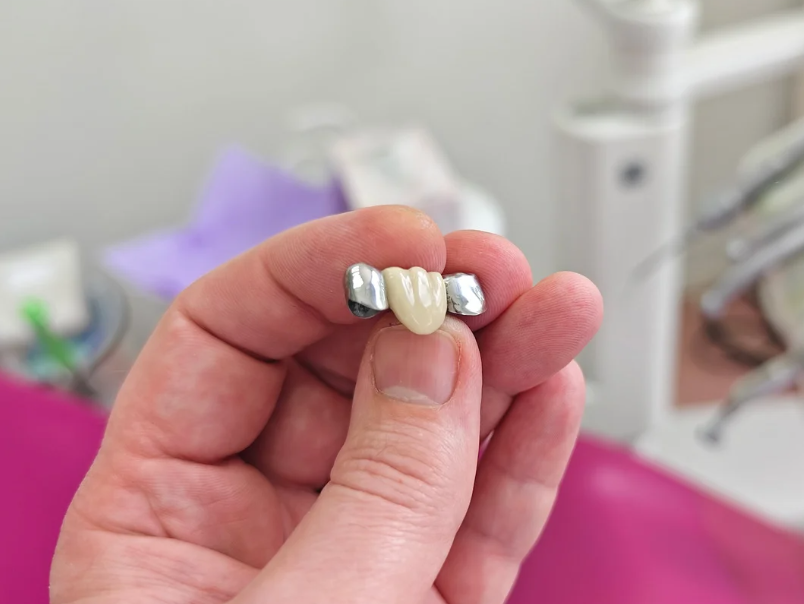
In many such cases, dental crowns and bridges provide the reinforcement that compromised teeth can no longer achieve on their own. A crown entirely covers the tooth, restoring its shape, strength, and function, while a bridge replaces missing teeth by anchoring to neighbouring healthy teeth. These options are typically recommended when preservation and stability are the primary goals of treatment.
Structural Damage and Loss of Tooth Strength
When decay penetrates deep into the tooth or when trauma causes fractures, fillings may not offer adequate protection. A filling only replaces the damaged portion, leaving the remaining tooth structure vulnerable. Over time, this weakness can result in further cracking or complete tooth failure.
Crowns are designed to encase the entire visible tooth, distributing biting forces evenly and reducing the risk of future fractures. They are commonly used after root canal treatment, as these teeth tend to become brittle and more susceptible to breakage. Bridges, on the other hand, address the functional and aesthetic challenges that arise when a tooth is lost entirely, preventing surrounding teeth from shifting out of position.
Impact of Missing Teeth on Oral Health
The loss of a single tooth may appear insignificant, but it can have far-reaching consequences. Adjacent teeth often begin to drift into the empty space, disrupting alignment and altering the bite. This movement can lead to uneven wear, jaw discomfort, and difficulties with chewing or speaking.
Bridges play a crucial role in maintaining proper spacing and alignment. By replacing the missing tooth, they restore balance within the dental arch and help preserve facial structure. This approach is particularly beneficial for patients who are not suitable candidates for implants or prefer a non-surgical option.
Long-Term Durability and Function
Fillings, huge ones, are more prone to wear and replacement over time. As they expand and contract with temperature changes, gaps can form, allowing bacteria to re-enter the tooth. This cycle often results in recurrent decay and repeated dental visits.
Crowns and bridges are crafted from durable materials such as porcelain, ceramic, or metal alloys, offering superior longevity when compared to traditional fillings. With proper oral hygiene and regular dental check-ups, these restorations can last for many years while maintaining a natural appearance and reliable function.
Aesthetic Considerations in Modern Dentistry
Modern restorative dentistry places a strong emphasis on aesthetics alongside function. Large fillings, particularly on front or visible teeth, may appear discoloured or unnatural over time. This can impact confidence and willingness to smile freely.
Crowns are custom-made to match the colour, shape, and translucency of natural teeth, creating a seamless appearance. Bridges are similarly designed to blend with surrounding teeth, ensuring that tooth replacement does not draw unwanted attention. For many patients, the cosmetic benefits are a significant factor in choosing these options over repeated fillings.
Bite Alignment and Jaw Comfort
An uneven bite caused by damaged or missing teeth can place excessive stress on the jaw joints and surrounding muscles. Over time, this imbalance may contribute to headaches, jaw pain, or symptoms associated with teeth grinding.
By restoring proper tooth height and alignment, crowns help stabilise the bite and distribute forces more evenly. Bridges also support overall bite harmony by filling gaps that would otherwise disrupt chewing patterns. Addressing these issues early can prevent more complex problems from developing in the future.
Personalised Treatment Planning
Every dental situation is unique, and the decision to move beyond fillings requires a comprehensive assessment. Factors such as the extent of damage, oral health history, lifestyle habits, and long-term goals all influence treatment recommendations.
Dentists carefully evaluate whether preserving the existing tooth with a crown is feasible or whether replacing a missing tooth with a bridge will provide better outcomes. This tailored approach ensures that restorations not only address current concerns but also support long-term oral health and functionality.
FAQs
When is a dental crown recommended instead of a filling?
A crown is usually recommended when a tooth has extensive decay, cracks, or has undergone root canal treatment, making it too weak to support a filling.
How long do crowns and bridges typically last?
With good oral hygiene and regular dental visits, crowns and bridges can last 10 to 15 years or even longer, depending on materials and care.
Are dental crowns and bridges noticeable?
Modern crowns and bridges are designed to closely match natural teeth in colour and shape, making them difficult to distinguish from surrounding teeth.
Can I eat normally with a dental bridge?
Yes, once you adjust to the bridge, regular eating and chewing can resume, provided proper care is maintained to protect the supporting teeth.

 English
 Arabic
 French
 Spanish
 Portuguese
 Deutsch
 Turkish
 Dutch
Dutch
 Italiano
 Russian
 Romaian
 Greek
Greek