


Vata dosha and anxiety
If you experience frequent anxiety, racing thoughts, restlessness, or difficulty sleeping, Ayurveda suggests that your Vata dosha and anxiety may be out of balance. Vata governs movement in the body and mind, including the nervous system. When balanced, it supports creativity, clarity, and enthusiasm. When aggravated, it often manifests as anxiety, fear, overthinking, and nervous tension.
Ayurveda doesn’t view anxiety as just a mental issue—it sees it as an imbalance in the body’s natural rhythms. By calming Vata naturally, you can ease anxiety at its root and restore a sense of stability and peace.
What are Vata dosha and anxiety in Ayurveda?
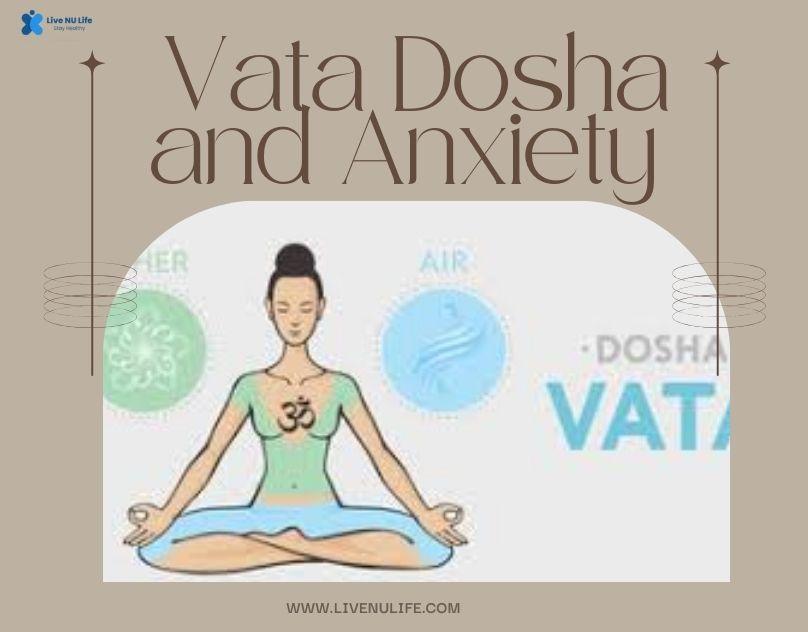
Vata dosha is composed of the elements air and ether (space). It controls all movement within the body, including breathing, circulation, nerve impulses, digestion, and mental activity.
Balanced Vata qualities:
-
Creativity and inspiration
-
Quick understanding
-
Adaptability
-
Lightness and enthusiasm
Excess Vata qualities:
-
Restlessness
-
Fear and anxiety
-
Dryness
-
Irregular digestion
-
Insomnia and fatigue
Anxiety is one of the most common signs of Vata imbalance.
How Vata Dosha Causes Anxiety
In Ayurvedic understanding, anxiety arises when Vata becomes excessive in the mind and nervous system. This often happens due to modern lifestyle factors that increase movement, stimulation, and irregularity.
Common Vata-aggravating triggers include:
-
Chronic stress and multitasking
-
Irregular sleep and meals
-
Excess screen time
-
Travel and overstimulation
-
Cold, dry environments
-
Excess caffeine or fasting
These factors disturb the nervous system, leading to anxious thoughts and emotional instability.
Symptoms of Vata dosha and anxiety
Vata-driven anxiety may feel different from other types of anxiety. Common symptoms include:
-
Racing or looping thoughts
-
Restlessness or inability to relax
-
Fear without a clear cause
-
Light sleep or insomnia
-
Cold hands and feet
-
Digestive issues like bloating or gas
-
Fatigue with mental overactivity
Understanding these signs helps target the root imbalance rather than just the symptoms.
Ayurvedic Approach to Calming Vata and Anxiety
Ayurveda treats Vata-related anxiety by introducing opposite qualities—warmth, grounding, nourishment, and routine.
1. Create a Stable Daily Routine
Vata thrives on consistency. A predictable routine calms the nervous system and reduces anxiety.
Helpful practices:
-
Wake up and sleep at the same time daily
-
Eat meals at regular hours
-
Schedule downtime
-
Avoid overbooking your day
Regularity provides a sense of safety to the mind.
2. Eat a Vata-Calming Diet
Food is one of the most effective ways to calm anxiety caused by Vata imbalance.
Best foods for Vata-related anxiety:
-
Warm, cooked meals
-
Soups and stews
-
Root vegetables
-
Rice, oats, and wheat
-
Healthy fats like ghee and sesame oil
-
Warm milk with nutmeg
Avoid cold, raw, dry, and processed foods that increase nervous system stimulation.
3. Practice Abhyanga (Oil Massage)
Daily oil massage is one of Ayurveda’s most powerful tools for calming anxiety.
Benefits of Abhyanga:
-
Grounds the nervous system
-
Reduces stress hormones
-
Improves sleep quality
-
Nourishes dry tissues
Warm sesame oil or calming herbal oils work best for Vata.
4. Use Calming Breathing Techniques
Breathing directly influences the nervous system and mental state.
Effective practices include:
-
Deep belly breathing
-
Nadi Shodhana (alternate nostril breathing)
-
Slow, rhythmic breathing
These techniques shift the body from fight-or-flight to relaxation mode.
5. Practice Gentle Yoga and Grounding Movement
Movement is essential for Vata, but it should be slow and grounding.
Recommended activities:
-
Gentle yoga
-
Walking in nature
-
Tai Chi or Qigong
-
Stretching
Avoid high-intensity workouts during anxiety flare-ups.
6. Support Anxiety with Ayurvedic Herbs
Certain Ayurvedic herbs are traditionally used to calm the nervous system and reduce anxiety.
Common herbs for Vata-related anxiety:
-
Ashwagandha
-
Brahmi
-
Jatamansi
-
Shankhpushpi
Herbs should be used under guidance, especially if anxiety is severe.
7. Improve Sleep to Calm Vata
Poor sleep worsens anxiety and Vata imbalance.
Sleep tips:
-
Go to bed before 10 PM
-
Avoid screens before bedtime
-
Drink warm herbal tea
-
Create a calming bedtime ritual
Quality sleep is essential for emotional stability.
8. Reduce Sensory Overload
Vata is highly sensitive to sensory input.
To reduce anxiety:
-
Limit screen time
-
Reduce loud noises
-
Create a calm living space
-
Spend time in silence or nature
Less stimulation equals more mental calm.
Lifestyle Habits That Worsen Vata dosha and anxiety
Avoid or reduce:
-
Skipping meals
-
Excess caffeine
-
Overworking
-
Late nights
-
Irregular routines
-
Cold exposure
These habits intensify anxiety by increasing Vata energy.
FAQs: Vata dosha and anxiety
Can Vata dosha cause anxiety?
Yes. Anxiety is one of the most common symptoms of Vata imbalance in Ayurveda.
What is the best Ayurvedic treatment for Vata anxiety?
A combination of routine, warm diet, oil massage, gentle yoga, and calming herbs works best.
Which foods reduce Vata-related anxiety?
Warm, cooked foods with healthy fats and mild spices help calm the nervous system.
Can meditation help Vata dosha and anxiety?
Yes. Gentle, grounding meditation and breathing practices are very effective.
How long does it take to calm Vata-related anxiety naturally?
Some relief can be felt within days, while deeper balance develops over weeks with consistency.
Final Thoughts: Vata dosha and anxiety
Vata-related anxiety is not a flaw—it’s a signal that your nervous system needs grounding and care. Ayurveda offers a compassionate, holistic approach that restores balance by calming the mind, nourishing the body, and creating stability in daily life.
With consistent practice, anxiety can soften, and a deep sense of calm and confidence can return.

 English
 Arabic
 French
 Spanish
 Portuguese
 Deutsch
 Turkish
 Dutch
Dutch
 Italiano
 Russian
 Romaian
 Portuguese (Brazil)