


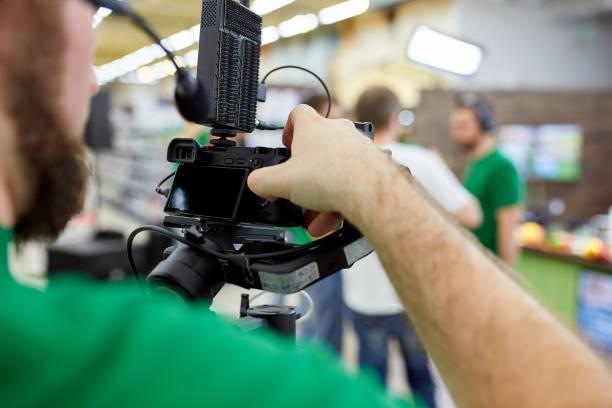
Let us be honest for a second when someone lands on your video, they are not thinking about camera specs or editing software. They are simply asking themselves, “Does this feel trustworthy?” That instant judgment often comes down to lighting. As a corporate video production agency, we have seen how a simple lighting change can completely shift how a brand is perceived. Same script. Same speaker. Totally different vibe.
Lighting is not just technical stuff. It is emotion. It is mood. It is credibility.
First Impressions Happen Fast... Really Fast
There is a study from Missouri University of Science and Technology that found people form a first impression of a website in less than 0.2 seconds. Video works the same way. Viewers instantly judge professionalism based on visual clarity and tone.
If your subject is poorly lit, with harsh shadows under the eyes, what does that signal? Carelessness? Low budget? Lack of polish?
On the other hand, soft and balanced lighting says, “We know what we are doing.” It builds quiet confidence.
It might sound dramatic, but light literally shapes perception.
Bright and Airy vs Dark and Dramatic
Lighting style communicates personality.
Bright, evenly lit scenes often feel transparent and honest. That is why many healthcare, finance, and tech companies prefer high-key lighting. It reduces shadows and creates a clean look.
Darker, moodier lighting feels cinematic and bold. It can work beautifully for luxury brands or creative agencies. But use it carelessly in a corporate setting and suddenly your brand feels secretive or overly dramatic.
We once tested two lighting setups for a leadership message video. The brighter version scored significantly higher in internal employee feedback for “approachable” and “trustworthy.” Same CEO. Different lighting. Interesting, right?
Shadows and Trust Signals
According to research published in the Journal of Consumer Research, visual cues strongly influence perceived credibility. People associate clarity with honesty. When faces are clearly visible, viewers subconsciously feel more comfortable.
Heavy shadows across the face can create tension. It is great for thrillers... not so great for quarterly earnings updates.
Simple adjustments like soft fill lights and proper key placement reduce harsh contrast and make the speaker look open and relatable.
Small tweaks. Big psychological impact.
Color Temperature Shapes Emotion
Let us talk about warmth.
Cool lighting, around 5600K, feels crisp and modern. It works well for tech brands and innovative companies.
Warmer tones, closer to 3200K, feel friendly and inviting. Retail brands often lean this way.
There is even research from Cornell University suggesting that warmer lighting environments increase feelings of comfort and positive emotional response. That translates to video too.
So when a video production agency plans a shoot, lighting is never random. It is strategic. We ask... what should the audience feel?
Consistency Builds Brand Recognition
Have you noticed how some brands just look consistent across every video?
That consistency often comes from standardized lighting setups. The same brightness levels. The same tone. The same shadow softness.
When lighting varies wildly between videos, the brand can feel scattered. Inconsistent visuals can subtly signal disorganization. And nobody wants that.
A well-planned lighting setup creates visual identity. It becomes part of your brand language, just like fonts and colors.
Lighting Impacts Production Quality... and ROI
Here is something practical. Poor lighting reduces perceived production value. According to a survey by Wyzowl, 91 percent of businesses use video as a marketing tool, and viewers say video quality affects how much they trust a brand.
If lighting looks cheap, viewers may assume the product or service is cheap too. Fair? Maybe not. Real? Absolutely.
Good lighting does not always mean expensive equipment. It means thoughtful placement, proper diffusion, and understanding the brand message.
So What Does This Mean for Your Brand?
Lighting is not just about visibility. It is about psychology. Mood. Emotional cues.
It can make a CEO look inspiring or intimidating. It can make a company feel innovative or outdated.
And the best part? It is controllable.
When we approach a corporate video project, lighting is one of the first strategic conversations we have. Not last. Because once the camera rolls, perception is already being formed.
No second chances there.
FAQs
1. Why is lighting so important in corporate videos?
Lighting shapes how viewers emotionally respond to your brand. Clear, balanced lighting increases trust and professionalism, while poor lighting can reduce credibility.
2. Does expensive lighting equipment guarantee better brand perception?
Not necessarily. Strategic placement and understanding mood matter more than price. Even simple setups can look professional when planned correctly.
3. What lighting style works best for corporate communication?
It depends on your brand personality. Bright and soft lighting works well for trust-based industries, while slightly dramatic lighting may suit creative or luxury brands.
4. Can lighting really influence customer trust?
Yes. Studies in consumer psychology show that visual clarity and brightness affect how trustworthy and transparent a brand appears.
5. Should lighting remain consistent across all company videos?
Absolutely. Consistent lighting builds visual identity and strengthens brand recognition over time.

 English
 Arabic
 French
 Spanish
 Deutsch
 Turkish
 Dutch
Dutch
 Italiano
 Russian
 Romaian
 Portuguese (Brazil)
 Greek
Greek