


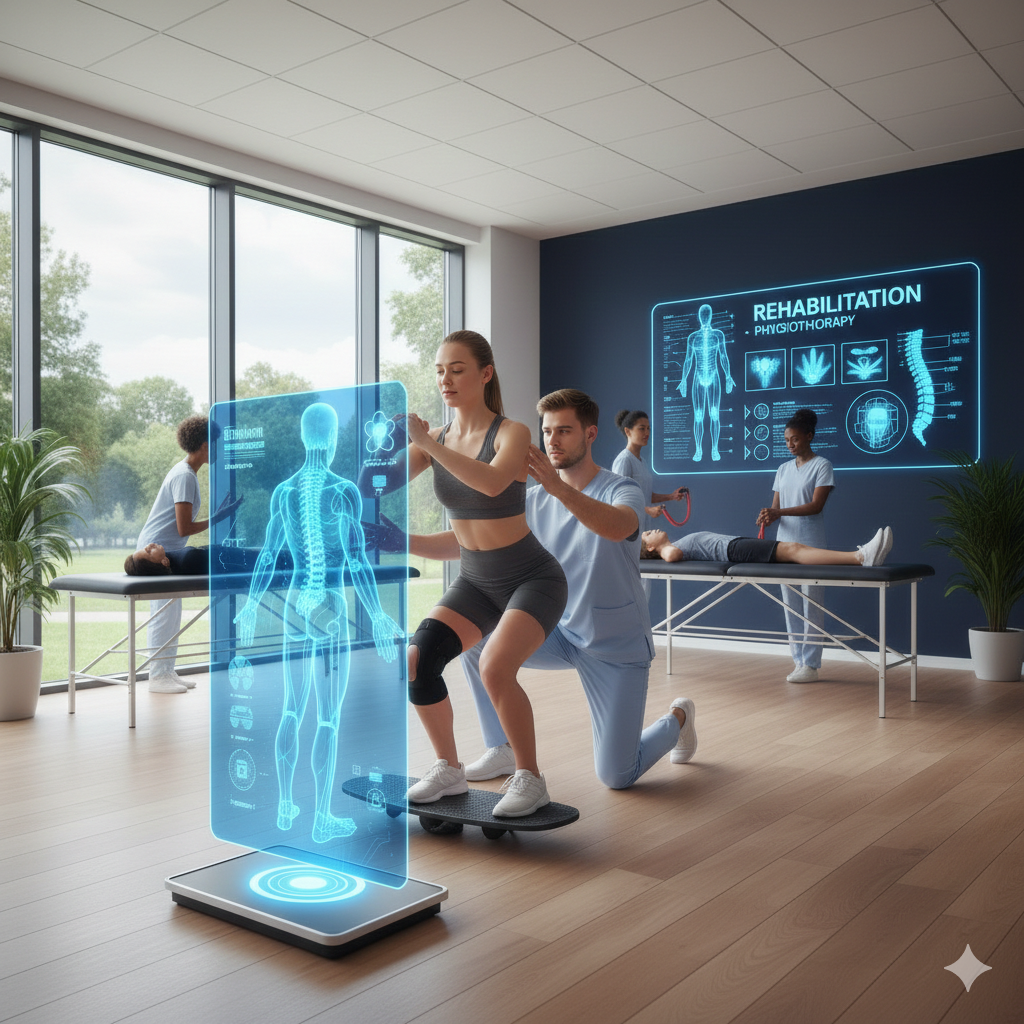
Advanced physiotherapy training has become a cornerstone for clinicians who wish to transcend standard treatment protocols and provide world-class patient care. In a healthcare landscape that is constantly shifting toward personalized medicine, the traditional "one-size-fits-all" approach to rehabilitation is no longer sufficient. For modern practitioners, staying relevant means diving deeper into the nuances of human movement, neurological patterns, and complex musculoskeletal dysfunctions.
Bridging the Gap Between Theory and Excellence
The journey of a physiotherapist typically begins with a broad degree that covers the essentials of anatomy and physiology. However, the real magic happens during post-graduate specialization. This level of study allows a professional to sharpen their diagnostic intuition. Instead of merely addressing the symptoms of a stiff shoulder or a chronic back ache, specialized training empowers the therapist to uncover the hidden biomechanical triggers that cause recurring pain.
This evolutionary step in a professional's career is not just about learning new exercises. it is about mastering clinical reasoning. It involves understanding how systemic health, lifestyle factors, and psychological barriers intersect to affect a patient's recovery journey.
Key Benefits of Specialized Education
Investing in advanced physiotherapy training provides a significant competitive edge in a crowded market. Some of the most immediate benefits include:
-
Refined Manual Skills: Gain mastery over high-level joint mobilizations, soft tissue techniques, and precise dry needling.
-
Evidence-Based Protocols: Learn to critically appraise new research and integrate the latest scientific findings into daily practice.
-
Enhanced Career Mobility: Open doors to leadership roles in multi-specialty hospitals, sports franchises, or academic institutions.
-
Increased Patient Trust: Patients are increasingly well-informed and tend to seek out clinicians who hold advanced credentials in specific niches.
For fitness professionals, these courses offer a way to understand injury prevention at a granular level, making them indispensable partners to the medical community.
Accessibility in the Digital Age
One of the most encouraging trends in medical education is the increased accessibility of high-quality programs. Many leading institutions now offer hybrid models that blend the convenience of digital theory modules with the necessity of in-person clinical rotations. This allows practitioners to continue their current work while upgrading their skill sets, ensuring that financial or geographical constraints do not hinder their professional development.
As we look toward the future of healthcare, the role of the physiotherapist is expanding. We are no longer just recovery assistants; we are movement scientists and primary care providers for musculoskeletal health. By committing to advanced physiotherapy training, you are not only securing your career's future but also ensuring that your patients receive the most sophisticated care available in the modern era.

 English
 Arabic
 French
 Spanish
 Portuguese
 Deutsch
 Turkish
 Dutch
Dutch
 Italiano
 Russian
 Romaian
 Portuguese (Brazil)