


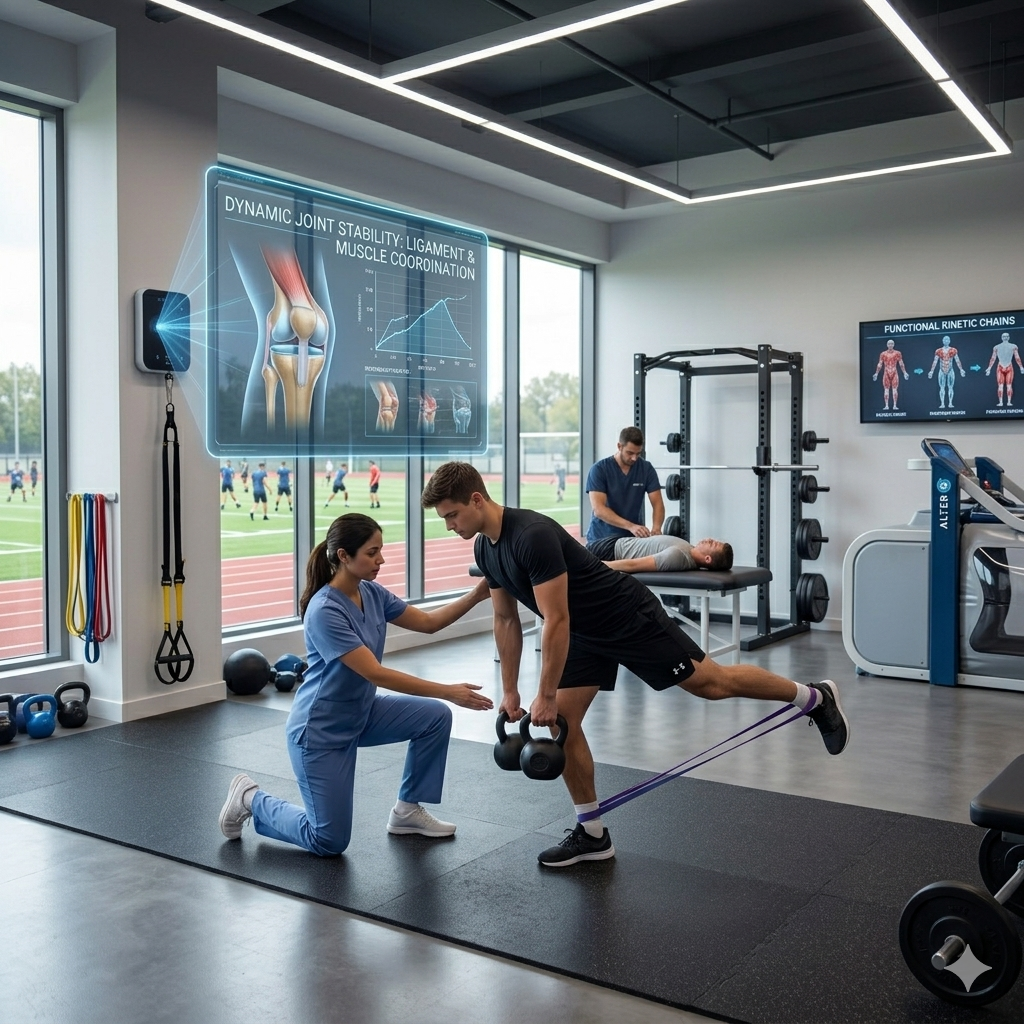
When an athlete faces an injury, the primary goal is not just to heal, but to return to the field stronger than before. Mastering the principles of sports rehabilitation allows practitioners to bridge the gap between basic clinical recovery and high-performance training. This specialized field focuses on the unique mechanical demands placed on the body during athletic activity, ensuring that every movement is optimized for speed, power, and safety.
The Science of Return-to-Play
Traditional physical therapy often focuses on restoring activities of daily living, such as walking or lifting a grocery bag. However, an athlete needs to sprint, pivot, and endure high-impact forces. Specialized training in this domain provides the specific frameworks needed to manage acute trauma, such as ACL tears or hamstring strains, while also addressing chronic overuse issues like tendinopathy.
By understanding the biomechanics of different sports, a professional can create a periodized plan. This involves moving from early-stage inflammatory control to late-stage functional loading. Without this structured approach, athletes often return to competition prematurely, leading to a high risk of re-injury.
Key Benefits for Clinicians and Coaches
For physiotherapists and fitness professionals, gaining expertise in this area offers several distinct advantages:
-
Objective Decision-Making: Use specific strength and hop tests to determine exactly when an athlete is ready for contact sports.
-
Injury Prevention Strategies: Learn to identify "red flags" in a player's movement patterns before a breakdown occurs.
-
Enhanced Manual Skills: Master advanced techniques such as dry needling, tapering, and blood flow restriction (BFR) therapy.
In the fast-paced world of modern athletics, a certified sports rehabilitation specialist is often the most vital member of a team's medical staff. Their ability to integrate psychological readiness with physical conditioning ensures a holistic recovery process. Whether you are working with elite professionals or weekend warriors, the demand for evidence-based recovery strategies continues to grow globally.
Accessibility and Career Growth
The barriers to entry for high-quality education in this field have significantly lowered. Many structured programs now offer blended learning models, combining in-depth online theory with intensive practical workshops. This makes it feasible for busy professionals to upgrade their skills without disrupting their current practice.
Specializing in this niche also opens doors to working with professional clubs, sports academies, and private high-performance centers. It transforms a general practice into a specialized hub for athletic excellence, attracting a dedicated patient base that values precision and results.

 English
 Arabic
 French
 Spanish
 Portuguese
 Deutsch
 Turkish
 Dutch
Dutch
 Italiano
 Russian
 Portuguese (Brazil)
 Greek
Greek