


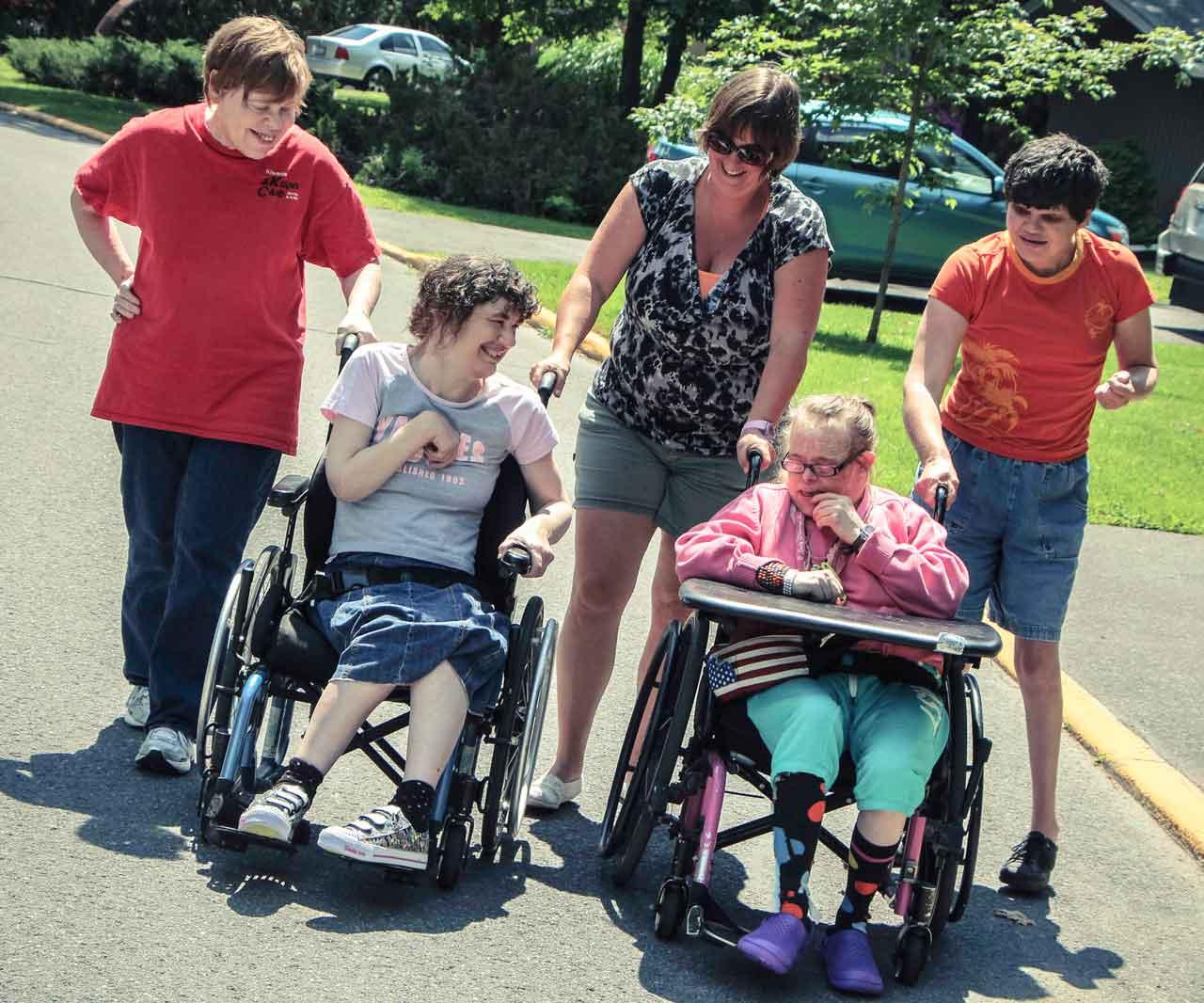
You want practical, enjoyable Activities for Disabled Adults that fit abilities, interests, and access needs — and you can find options that boost fitness, social connection, creativity, and independence. Focus on activities that match physical, sensory, and cognitive needs while offering clear ways to join community groups, classes, or at-home adaptations.This post highlights popular, accessible Activities for Disabled Adults you can try: from adaptive sports and sensory projects to inclusive clubs and local outings. Expect straightforward tips for choosing activities, finding nearby programs, and making simple modifications so participation feels possible and rewarding.
Popular Activities for Disabled Adults
These activities support physical health, creative expression, social connection, and emotional well‑being. Each option lists practical adaptations, typical settings, and what you can expect in terms of outcomes.
Adaptive Sports and Exercise
Adaptive sports help you build strength, improve mobility, and increase confidence through tailored activity. Examples include wheelchair basketball, seated yoga, adaptive cycling, boccia, and swimming with flotation supports. Programs often provide specialized equipment (sports wheelchairs, handcycles) and trained coaches who modify rules and movements for individual abilities.Look for community adaptive sports leagues, YMCA adaptive classes, or Paralympic-style clubs that offer progressive skill levels. Benefits include improved cardiovascular fitness, better balance, and social bonding. Always consult a clinician before starting new routines and ask instructors about accessibility, transfer assistance, and individualized progression plans.
Creative Arts and Crafts
Arts activities let you express ideas, practice fine motor skills, and produce tangible work you can share. Try painting with adaptive brushes, clay modeling using arm supports, collage using easy‑grip scissors, or digital art with touchscreen tablets and styluses. Structured classes provide step-by-step projects; open studio sessions let you experiment at your own pace.Adaptive tools—weighted utensils, angled easels, and non-slip mats—help you work independently. Group art sessions often incorporate peer feedback, gallery shows, or small sales that boost self‑esteem. If sensory sensitivities are a concern, choose non-toxic, low-odor materials and quiet, well-lit environments.
Therapeutic Recreation
Therapeutic recreation uses planned activities to meet clinical or functional goals like improved cognition, daily living skills, and socialization. Common options include horticulture therapy, cooking classes with adaptive kitchen tools, leisure skills groups, and structured outings designed to practice community navigation and money handling. Sessions are usually led by certified therapeutic recreation specialists who set measurable goals and track progress.Therapeutic recreation can be delivered in centers, day programs, or as individualized in-home sessions. Expect clear goal-setting, skill breakdowns, and caregiver training components so gains transfer to daily life. Verify that programs use evidence-based approaches and provide progress summaries you can review.
Music and Performing Arts
Music and performance build communication, motor coordination, and emotional expression through activities like drumming circles, adapted instrument lessons, choir, and drama workshops. Instruments can be modified—switch-activated keyboards, strap-mounted percussion, or touch-sensitive pads—to suit different abilities. Group performances create opportunities for-stage presence and community recognition.Look for inclusive ensembles, music therapists, or community theater groups that offer role adaptations (backstage roles, audio narration). Sessions often emphasize repetition, simple arrangements, and multisensory cues to support learning. Participation can reduce anxiety, enhance speech rhythm, and create powerful social connections.
Social and Community Engagement
Engaging with others builds practical skills, expands friendships, and connects you to local resources. The following options focus on accessibility, meaningful roles, and tech tools that keep you involved and safe.
Accessible Group Outings
Plan outings where mobility, sensory, and communication needs are accounted for in advance. Choose venues with clear accessibility info—ramps, elevators, accessible restrooms, quiet rooms—and call ahead to confirm staff can assist with transfers or seating needs.Create a checklist for each trip: transportation options (lift-equipped van, paratransit), estimated travel time, entrance and route maps, medication or sensory supports, and a contact for emergencies. Bring visual schedules or social stories if they help you anticipate the day.Limit group size based on comfort and support ratio. For example, small museum visits with a trained guide can offer tactile exhibits or scheduled quiet hours. Outdoor options like adaptive gardening or park walks work well when paths are smooth and shade/benches are available.
Volunteering Opportunities
Choose volunteer roles that match your skills and energy level to promote consistency and satisfaction. Look for positions with defined tasks—library shelving, animal shelter socialization, or phone-based helplines—so you can learn routines and measure progress.Ask organizations about accommodations up front: flexible hours, shadow shifts, task modifications, and supervisor check-ins. Nonprofits often provide training and can assign a mentor. Track your contributions—hours, tasks completed, skills learned—to support applications for paid work or recognition programs.Consider remote or hybrid volunteer roles if travel is a barrier. Examples include digital archives tagging, volunteer call programs for isolated seniors, or moderating community forums. These roles build social connection and a sense of contribution without daily commuting.
Technology-Based Socialization
Use platforms designed for accessibility to stay connected when in-person options are limited. Video-call apps with live captions, voice control, and screen-reader compatibility help you join family chats, support groups, or hobby meetups from home.Join moderated online communities centered on specific interests—adaptive sports, art therapy, or local disability advocacy—where rules reduce harassment and moderators enforce accessibility practices. Use calendar integrations and reminder apps to reduce cognitive load and keep commitments.Leverage assistive tech to participate fully: speech-to-text for messaging, alternative input devices for game nights, and simplified social apps with large buttons and predictable layouts. Test new tools during short sessions before committing to regular group meetings.

 English
 Arabic
 French
 Portuguese
 Deutsch
 Turkish
 Dutch
Dutch
 Italiano
 Russian
 Romaian
 Portuguese (Brazil)
 Greek
Greek