


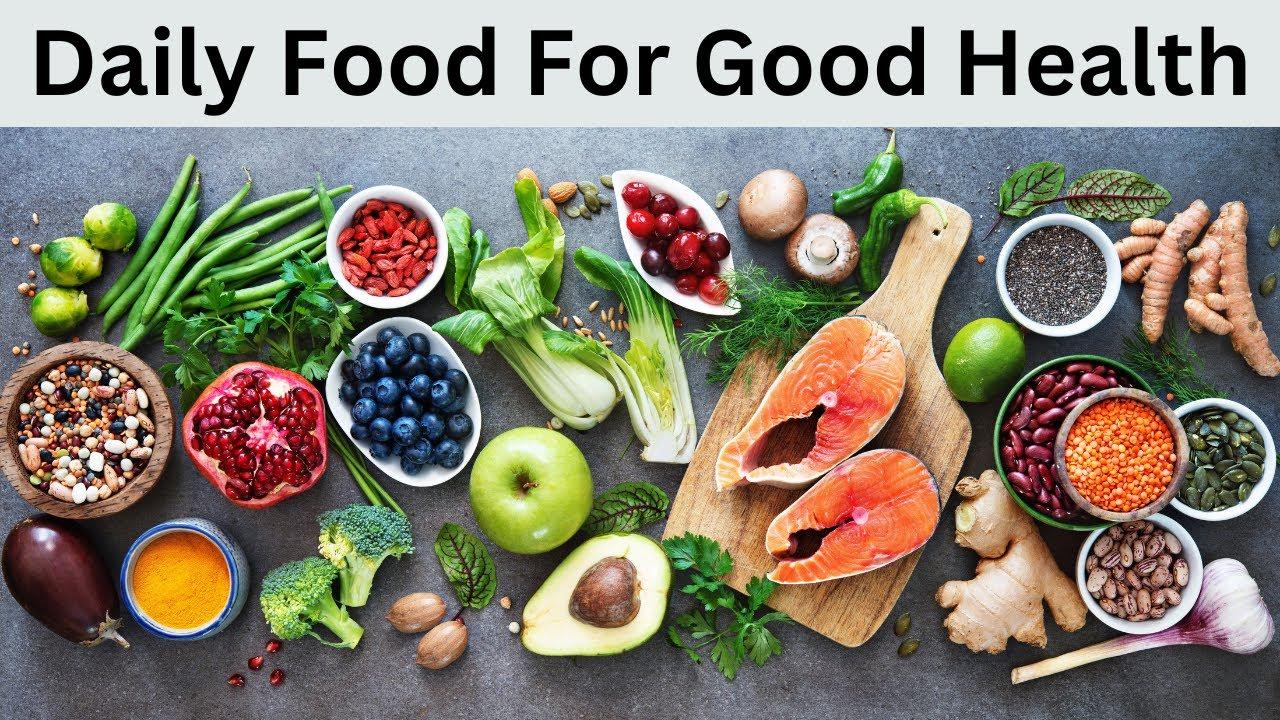
Medical tests are meant to give a clear picture of your internal health, but what if the results are influenced by the foods you consume every day? Most people assume that test results strictly reflect their body’s condition, not realising that even regular diet choices can temporarily distort important readings. From blood tests to urine analyses, certain foods can shift biomarkers enough to confuse diagnosis, trigger false alarms, or mask underlying conditions. Understanding how daily food intake affects medical testing can help you prepare better and make sure your reports are as accurate as possible.
Why Foods Influence Medical Test Results
Foods play a direct role in changing chemical processes in your body. After eating, your system releases various hormones, absorbs nutrients, and adjusts its metabolism. These reactions can temporarily change glucose levels, fats in the bloodstream, hormone production, or even kidney filtration rates. When a medical test is taken during these shifts, the values may reflect the impact of food rather than your actual health status. This is why fasting, avoiding caffeine, and following preparatory instructions are critical for test accuracy.
Caffeine: A Silent Disruptor of Stress and Heart Markers
Caffeine is found in tea, coffee, energy drinks, and chocolate items people consume daily without a second thought. But caffeine stimulates the body’s stress-response system, increasing adrenaline, cortisol, and heart rate. When taken before tests that evaluate cardiovascular health, hormones, or blood pressure, caffeine can exaggerate the results. A person may end up with elevated cortisol readings or higher blood pressure simply because they had coffee in the morning, not because their health is actually deteriorating. This can lead to unnecessary anxiety or further testing.
High-Fat Meals: A Threat to Cholesterol Accuracy
Your cholesterol tests can be significantly influenced by what you eat hours before the sample is taken. High-fat meals cause an increase in triglycerides, which are fats circulating in the blood after digestion. This temporarily thickens the blood and can distort overall lipid profile readings. Even individuals with normal cholesterol levels may appear to have high triglycerides after consuming oily, fried, or creamy food. Doctors may interpret these results as a sign of poor cardiovascular health, even though the cause is dietary.
Citrus Fruits: Unexpected Interference with Liver and Drug Tests
Citrus fruits, particularly grapefruit, contain compounds that interfere with liver enzymes responsible for breaking down medications and toxins. These enzymes, known as CYP450, are essential for metabolic tests and drug level evaluations. Eating citrus before a diagnostic test can alter the enzyme activity, resulting in abnormal liver readings or inaccurate medication levels. What appears to be a liver issue or drug imbalance is the effect of fruit consumed earlier.
Bananas: Natural but Misleading for Hormone and Potassium Tests
Although bananas are packed with nutrients, they contain high levels of potassium and natural serotonin. This can distort tests that measure these specific markers. Elevated potassium levels may be mistaken for kidney problems or heart rhythm risks. Similarly, higher serotonin readings may hide or mimic hormonal conditions. Eating multiple bananas before a test has a stronger impact and can easily confuse results.
Red Meat: Influencing Iron and Kidney Readings
Red meat can also mislead medical test outcomes. It is rich in creatine, which converts into creatinine once processed by the kidneys. Eating red meat before a kidney function test may raise creatinine levels enough to make it seem like the kidneys are underperforming. Similarly, the iron content in meat can raise iron levels temporarily, affecting tests used to diagnose anemia, iron deficiency, or iron overload. Patients may appear healthier or unhealthier than they really are based on what they ate before testing.
Beetroots: The Colorful Culprit Behind Confusing Urine Tests
Beetroots contain pigments called betalains that can turn urine pink or red after consumption. This harmless phenomenon, known as beeturia, can be mistaken for blood in the urine. Since red or pink urine is usually considered a sign of kidney disease or a urinary tract problem, the discoloration can cause unnecessary worry. Without knowing the dietary cause, patients and doctors may assume a medical condition that doesn’t exist.
Alcohol: A Major Influencer of Liver and Glucose Results
Alcohol consumption can significantly distort many critical blood test markers. It raises triglycerides, affects blood sugar levels, and increases liver enzyme readings. Even small amounts of alcohol can push liver markers like ALT, AST, and GGT higher, giving the impression of liver inflammation. Alcohol also dehydrates the body, which can alter electrolyte readings and kidney function indicators. To ensure accuracy, it’s recommended to avoid alcohol for at least 24 hours before testing.
How to Prevent Food-Based Interference Before Testing
Preparing for medical tests is as important as taking them. The simplest step is to closely follow fasting instructions, which typically require avoiding all foods and beverages except water for 8–12 hours. It’s equally important to avoid caffeinated drinks, herbal supplements, and heavy meals the night before testing. If you regularly consume vitamins or herbal products, inform your doctor beforehand, as many supplements naturally affect markers related to inflammation, immunity, and organ function. Proper preparation ensures that your test results reflect your true health status.
Consult a Gastroenterologist in Lahore
Conclusion
Everyday foods from caffeine and bananas to fatty meals and citrus fruits can subtly change your medical test results, leading to confusion or misdiagnosis. Understanding these influences helps you make informed choices before diagnostic testing and ensures the accuracy of your health assessments. Reliable healthcare platforms like Instacare.pk make it easier to schedule tests, consult professionals, and access trusted medical guidance so your results reflect your true health rather than temporary dietary effects.

 English
 Arabic
 French
 Spanish
 Deutsch
 Turkish
 Dutch
Dutch
 Italiano
 Russian
 Romaian
 Portuguese (Brazil)
 Greek
Greek